
Table of Contents
In an increasingly interconnected world, where digital footprints are meticulously tracked and online privacy is a growing concern, a Virtual Private Network (VPN) stands as a crucial tool for secure data transfer. While many associate VPNs primarily with enhanced security, their capabilities extend far beyond simply shielding your data. In 2026, a VPN offers a wealth of additional opportunities, including significant cost-saving options, increased efficiency for digital professionals, and the flexibility to work remotely without disclosing your location to employers. Surprisingly, even a free VPN can unlock these advantages. However, free VPNs are often shrouded in misconceptions. Let’s delve into the truth behind these myths and explore how to maximize the benefits of using a free VPN in 2026.
Key Takeaways
- Free VPNs Offer Core Security: Functionally, free VPNs operate similarly to paid versions, providing essential IP address masking and data encryption.
- Myth vs. Reality: Not all free VPNs are unreliable or data-selling; careful selection based on encryption, protocols, and privacy policies (no-log) is crucial.
- Beyond Security: A free VPN can unlock cost savings on travel, streaming, and digital services, enhance gaming experiences, and provide geo-unrestricted access while traveling.
- Strategic Usage is Key: Understanding how to select a reputable free VPN and leverage its features allows users to gain significant advantages without financial investment.
- Empowerment for Digital Professionals: Free VPNs offer tools for market research, competitor analysis, and location privacy, bolstering productivity and strategic insights.
How Does a Free VPN Work?
A Free VPN is fundamentally a technology designed for establishing a secure Internet connection. This security is achieved by redirecting a user’s data packets through a remote VPN server. This process creates an encrypted, secure channel for data transmission. Instead of data traveling directly from your device to its final destination, it first goes to the VPN server, which then forwards it. This crucial step ensures user anonymity by masking your original IP address.
Free VPNs have two key functions:
-
replacing the user’s IP address with the IP address of the server’s VPN;
-
data encryption and its transmission over a secure channel created by the VPN protocol.
In terms of these core functionalities, free VPNs operate identically to their paid counterparts. The primary differences typically lie in additional features, such as integrated ad blocking or a wider selection of server locations. However, these supplementary features can often be acquired through separate applications or browser extensions, meaning they are not essential for a VPN’s main task of securing and anonymizing your connection.
Another angle worth exploring here is Games Released for a closer gaming-focused comparison.
Another angle worth exploring here is Strategies Success for a closer gaming-focused comparison.
So, why are free VPNs so often associated with numerous myths and skepticism? The VPN industry, like many other tech sectors, is intensely competitive, and misinformation is regrettably sometimes disseminated by competitors. Let’s address the most common myths and distinguish between fact and fiction.
Myths and Truths About Free VPNs: How to Maximize the Benefits of Using a Free VPN
The narrative surrounding free VPNs is often skewed by widespread misconceptions. Understanding the truth behind these myths is the first step in learning how to maximize the benefits of using a free VPN effectively and safely.
-
All free VPNs are unreliable.
This statement is a common myth. As previously noted, the underlying mechanism of both free and paid VPNs is fundamentally the same. The reliability of a VPN service is not dictated by its price tag, but rather by the level of encryption it offers and the VPN protocols it employs. To ascertain a VPN’s reliability, users should consult the provider’s website for information on their encryption standards and supported protocols. Furthermore, reviewing independent resources and user testimonials can provide valuable insights into a service’s trustworthiness.
It is crucial to recognize that both the free and paid VPN markets contain a spectrum of services, ranging from highly dependable to entirely unreliable. To make an informed choice and avoid unnecessary expenses, prioritize VPNs that offer robust 256-bit encryption. This is widely considered one of the most secure data encryption methods available, utilizing a 256-bit key that is exceedingly difficult to compromise.
Regarding VPN protocols, educate yourself on the advantages and disadvantages of each to select one that best suits your needs. IKEv2 is frequently recommended for mobile devices due to its seamless reconnection capabilities, allowing users to switch effortlessly between Wi-Fi networks and mobile data, and automatically re-establishing the VPN connection if it drops. This protocol is often integrated into Android VPN applications. OpenVPN, on the other hand, is generally regarded as one of the top protocols for stationary devices like home PCs. It is an open-source protocol known for its efficiency in data transfer and device authentication. Experts often assert that OpenVPN is currently one of the best available options for creating a private virtual network.
-
All free VPNs collect and sell user data.
This concern, while not entirely unfounded, is often exaggerated. Indeed, there have been instances reported in the press where certain VPN providers, both free and paid, have faced legal challenges related to the unauthorized use of customer data. However, it is an oversimplification to apply this accusation to all providers. The unethical practices of a few should not cast doubt on the integrity of the entire market.
It is entirely possible to find a free VPN that adheres to responsible data handling practices. A key indicator of trustworthiness is providers that offer both a free and a paid premium product. For these companies, the free VPN serves as a strategic tool to attract new customers, incentivizing them to uphold their promises to free users to encourage upgrades or positive word-of-mouth.
Furthermore, the country in which a VPN provider is registered can significantly influence its approach to customer data. Most reputable VPN providers prominently declare that they adhere to a “no-log policy.” This means they commit to not storing any information about your online activities, connection times, or personal data. This is precisely what you should look for in a free VPN. However, a critical nuance exists.
Despite stated no-log policies, some providers may still log metadata such as the date and time of your connection, often for troubleshooting or performance monitoring. This is where the country of registration becomes paramount. If a VPN is registered in a nation that is part of the Five, Nine, or 14 Eyes Alliance, there is a distinct possibility that any data retained on servers within that jurisdiction could be compelled to be shared with other member intelligence agencies. Therefore, selecting a VPN registered in a privacy-friendly jurisdiction outside these alliances offers an additional layer of protection.
Related Posts:
-
Free VPNs have compatibility problems.
This is another myth that often discourages users from exploring free VPN options. It is true that many websites and online services implement various techniques to detect and block VPN traffic, primarily because unencrypted and non-anonymous communication provides more user data for examination and monetization.
However, VPN technology is in a constant state of advancement, often evolving more rapidly than the methods used to block it. Consequently, there are many free VPNs available in 2026 that demonstrate excellent compatibility with a wide array of platforms, including popular services like Roblox, Netflix, Disney Plus, and numerous others.
Moreover, the market offers free VPN solutions for a diverse range of devices and operating systems. Users can readily find a free VPN app for iOS, comprehensive browser extensions for various browsers, and applications compatible with almost any other device imaginable.
In conclusion, high-quality products do exist among free VPNs. The key is to approach your selection with diligence and responsibility, scrutinizing their features, policies, and independent reviews to ensure you choose a reliable service.
Beyond their fundamental security functions, a VPN offers a plethora of creative applications. Let’s now explore some of these less obvious ways to leverage a free VPN to maximize its benefits.


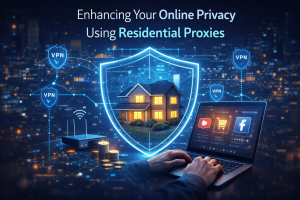
Unobvious Ways to Use a Free VPN: How to Maximize the Benefits of Using a Free VPN
Beyond privacy and security, a free VPN offers a surprising array of advantages that can significantly enhance your digital life and even your financial well-being. Knowing these less common uses is crucial for understanding how to maximize the benefits of using a free VPN in 2026.
1. Use the VPN to save money.
One of the most appealing, yet often overlooked, advantages of a free VPN is its potential to save you money across various online transactions.
-
With a VPN you can save money on trips.
Airline ticket aggregators, car rental companies, and accommodation booking sites frequently employ dynamic pricing strategies, adjusting prices based on a user’s geographical location and even their browsing history. Your IP address is the primary determinant of your perceived location. Furthermore, these platforms often track your activity to gauge your interest in specific flights or destinations, potentially showing you higher prices on subsequent searches. To secure the best deals, use a VPN. Connect to a VPN server located in a country with a lower average income than your own. By doing so, your IP address will be masked by that of the remote VPN server, allowing you to bypass geographical price discrimination and access potentially lower rates.
This strategy is equally effective for car rental aggregators and hotel booking websites. These sites often display more expensive or premium options to users browsing from wealthier regions. By leveraging a VPN as described, you can access a broader range of cheaper cars or more budget-friendly accommodation options.
-
Get extended access to free services.
If you like to read news online, you may have noticed that some websites, such as the New York Times, allow you to read a limited number of articles per month for free. By connecting to different VPN servers, you can increase the number of available articles in proportion to the number of servers you have available. These websites often try to block traffic using a VPN, so using a lesser-known VPN can be even more effective.
You can also get an additional free trial period for digital services. If you’ve been thinking about buying a program for work and have taken a free trial to test it out, but didn’t figure out if a particular option is right for you, you can take another trial with a VPN. To do this, connect to the VPN and create a new account. This way, you will have more time to make a purchase decision.
-
Save money on streaming services.
Prices for popular streaming services, such as Netflix, vary greatly from country to country. Some of the cheapest countries to buy a Netflix subscription are India, South Africa, the Philippines, and Argentina. So you can connect to a VPN server located in one of these countries to buy a subscription at a lower price. There are several important nuances:
-
Choose a free VPN that works with Netflix and has servers in the respective countries.
-
Netflix requires customers to pay with a card issued in the country for which the subscription is purchased. To get around this restriction, you can buy a regional gift card and pay for your subscription with it.
-
2. Use a free VPN for gaming.
VPN is a well-known technology in the world of gaming. However, free VPNs are less popular there because of myths about slower speeds. However, a free VPN can be useful in bypassing unfair IP bans.
If you want to access a game where your IP address has been blocked for some reason, you need to use a VPN. However, gaming companies are aware of this method and actively block IP addresses of well-known VPN servers that are popular in the online gaming world. If you use a free VPN, which is less commonly used by players, your chances of bypassing the IP address blocking increase significantly.
3. Use a free VPN when traveling.
VPNs are often used to access geo-blocked content. However, few people recall it when their native content is blocked.
If you’re traveling and arrive in a country with a high level of internet censorship, or simply find that your favorite sites are not available outside the US, you can restore access to them with a free VPN. To do this, you need to choose a service that has a server in your home country. This way, you will be able to view your native content from anywhere in the world.
In addition, a VPN will help you maintain access to online banking while traveling. Most banks require clients to notify them in advance of traveling abroad. If you forget to do this and try to log in to online banking from an unusual location, your bank may block your account until they investigate. For them, this looks like suspicious activity, and the bank, trying to protect you from fraud, may leave you without access to your funds. A VPN that has a server in your home country will allow you to use online banking.

The above are just a few of the multiple ways to use a VPN. On forums, you can find information that remote employees use a VPN to work from another country when they don’t want to notify their employer. Someone have restrictions on their employment contract, and someone want to avoid changing the attitude of colleagues when they find out that a person works from the beach in the Philippines. We do not recommend violating the terms of employment contracts, but if you do not want your colleagues to know about your current location for other reasons, a free VPN will allow you to do so. Again, choose a provider that has a server in your home country.
There are many advantages of a VPN for digital professionals. If you work in digital marketing, with a free VPN, you can anonymously monitor competitors and analyze foreign markets as if you were local.
Everyone will find options for using the VPN. All users get the security as a basic declared function. If you stop thinking of the VPN as a solely security technology, you will find many benefits to using it depending on your lifestyle. All of these benefits can be available to you at no additional cost if you choose a free VPN responsibly.
Conclusion
In 2026, the potential of a VPN extends far beyond its fundamental role in securing online data and preserving anonymity. This article has illuminated how to maximize the benefits of using a free VPN, demonstrating that these services, when chosen wisely, can be powerful tools for saving money, enhancing online experiences, and empowering digital professionals.
We’ve debunked common myths, revealing that the reliability of a VPN hinges on its encryption standards and protocols, not its price tag. The notion that all free VPNs compromise user data is also a misconception; reputable providers, particularly those offering both free and premium tiers and operating under strict no-log policies in privacy-friendly jurisdictions, can be trusted. Furthermore, the supposed compatibility issues of free VPNs are often exaggerated, with many services now offering robust support across various platforms and devices.
By leveraging a free VPN, you can unlock significant financial advantages, from securing lower prices on flights, car rentals, and streaming subscriptions, to extending free trials for digital services. Gamers can find value in bypassing unfair IP bans, while travelers can maintain access to their home content and ensure uninterrupted online banking services, providing peace of mind and convenience on the go. For digital marketing professionals, a free VPN offers invaluable tools for anonymous competitor analysis and comprehensive foreign market research.
The key to harnessing these extensive benefits lies in a responsible and informed approach to selection. Prioritize free VPNs that clearly state their commitment to 256-bit encryption, support reliable protocols like IKEv2 or OpenVPN, maintain a strict no-log policy, and are registered in countries outside surveillance alliances. By making an educated choice, you can transform a free VPN from a simple security utility into a versatile, cost-effective, and empowering digital assistant.
Don’t let myths and misconceptions deter you. Explore the market, review options carefully, and discover how a free VPN can significantly enrich your online experience in 2026.