
Table of Contents
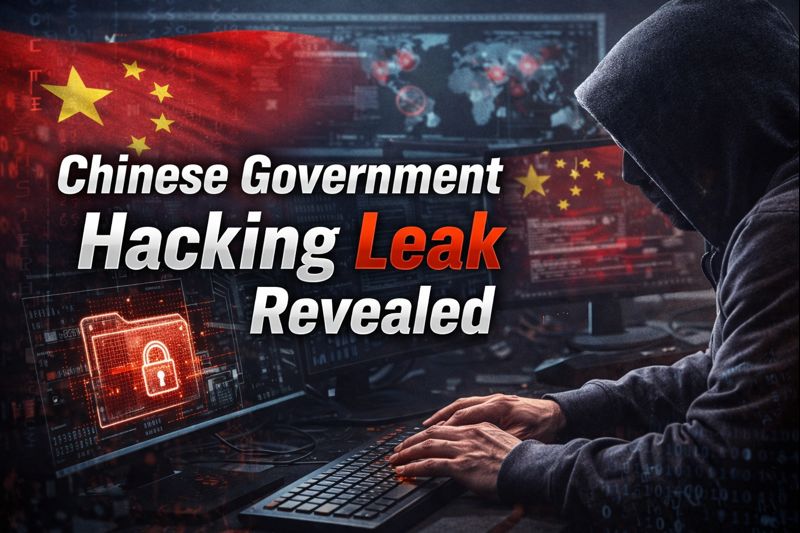
The digital battlegrounds of the 21st century continue to shift and evolve, with state-sponsored cyber activities frequently making headlines. In 2026, a monumental event sent shockwaves across the cybersecurity landscape: a significant Chinese government hacking leak was revealed, exposing a vast and intricate web of cyber espionage operations. This unprecedented breach brought to light the sophisticated tactics, targets, and internal workings of China’s state-backed hacking apparatus, prompting urgent discussions on national security, data privacy, and international relations. The implications of this Chinese government hacking leak are far-reaching, potentially reshaping global geopolitical strategies and forcing both governments and private organizations to re-evaluate their digital defenses. This article delves into the details of the leak, its origins, the information exposed, and the profound consequences it is expected to have on the world stage.
Key Takeaways
- The 2026 Chinese government hacking leak exposed extensive details of state-sponsored cyber espionage, including operational methodologies, targets, and internal communications.
- The leak revealed specific tools, techniques, and procedures (TTPs) used by various Chinese Advanced Persistent Threat (APT) groups, offering unprecedented insight into their capabilities.
- The exposed data includes information on intellectual property theft, surveillance of dissidents, and penetration of critical infrastructure systems in numerous countries.
- International responses have included condemnation, increased cybersecurity investment, and calls for stronger global frameworks to address state-sponsored hacking.
- The leak underscores the continuous need for robust cybersecurity measures, emphasizing threat intelligence sharing and proactive defense strategies for governments and corporations worldwide.
The Genesis of the Breach: How the Chinese Government Hacking Leak Came to Light
The exact origins of the Chinese government hacking leak remain shrouded in a degree of mystery, typical of high-stakes cyber incidents. Initial reports in early 2026 pointed to an anonymous group of hacktivists or a disaffected insider as the source, rather than a direct breach by a rival state actor. This distinction is crucial, as it suggests a different motivation and potential internal vulnerabilities within the Chinese cybersecurity infrastructure itself.
Sources familiar with the investigation suggest that the data was not exfiltrated from a single, centralized server, but rather aggregated from several disparate systems over an extended period. This points to a highly persistent and skilled attacker or group who managed to maintain access undetected for months, if not years. The leaked trove of information, estimated to be in the terabytes, first appeared on obscure forums and encrypted communication channels before being verified by cybersecurity researchers and intelligence agencies globally. The sheer volume and detail of the data quickly confirmed its authenticity, leaving little doubt about its provenance.
The revelation of the Chinese government hacking leak served as a stark reminder that even the most formidable state-sponsored cyber operations are not immune to compromise. It highlighted potential blind spots in their own security protocols and the ever-present risk posed by determined adversaries, whether external or internal.
🕵
️♂
️
Unpacking the Data: What the Leak Revealed About Chinese Cyber Operations
The material contained within the Chinese government hacking leak is nothing short of an intelligence goldmine for cybersecurity professionals and geopolitical analysts. It painted a comprehensive picture of China’s state-backed cyber activities, extending beyond what had been previously theorized or partially documented through incident response reports.
Operational Blueprints and Methodologies
Perhaps the most significant aspect of the leak was the exposure of internal documents detailing the operational blueprints for various Chinese Advanced Persistent Threat (APT) groups. These documents included:
- Targeting Priorities: Specific sectors and countries identified as strategic targets for intelligence gathering, industrial espionage, and intellectual property theft. These ranged from aerospace and defense contractors to pharmaceutical companies and renewable energy firms across North America, Europe, and parts of Asia.
- Tactical Handbooks: Detailed guides on preferred tools, custom malware strains, zero-day exploit acquisition strategies, and evasion techniques. These included specifics on obfuscation methods, command-and-control infrastructure setup, and data exfiltration protocols.
- Training Materials: Internal training modules for new operatives, covering everything from social engineering tactics to advanced network penetration techniques. This offered a rare glimpse into how China cultivates its cyber talent.
- Post-Exploitation Strategies: Instructions for maintaining persistent access, escalating privileges, and laterally moving within compromised networks, often including steps for deleting forensic evidence.
One particularly alarming revelation was the discovery of proprietary malware code, previously unknown to the public, designed for highly specific industrial control systems (ICS) [1]. This suggests a focused effort on potential disruption or sabotage of critical infrastructure, rather than just espionage.
Identifying Key APT Groups and Their Activities
The leak provided a granular view of several prominent Chinese APT groups, often referred to by monikers such as APT1, APT10, or “Hidden Lynx.” The exposed data provided evidence linking these groups directly to specific government agencies, a connection that China has consistently denied. For instance, detailed logs and internal communications confirmed the involvement of units within the People’s Liberation Army (PLA) in certain campaigns, alongside civilian intelligence agencies and state-affiliated contractors.
| APT Group (Common Name) | Potential Affiliation | Primary Focus Areas | Notable Revealed Activities (from leak) |
|---|---|---|---|
| APT1 (PLA Unit 61398) | PLA, Ministry of State Security (MSS) | Intellectual Property Theft, Government Data | Detailed plans for long-term network persistence in defense contractors. |
| APT10 (Stone Panda) | MSS, Contractors | Managed Service Providers (MSPs), Government, Tech | Exploitation of supply chains through MSPs, targeting client networks. |
| APT27 (Emissary Panda) | MSS, Contractors | Government, Energy, Telecommunications | Specific zero-day exploits used against critical infrastructure in Southeast Asia. |
| APT40 (Leviathan) | MSS, PLA Navy-linked | Maritime, Defense, Research | Surveillance of dissidents, naval intelligence gathering. |
_Note: This table summarizes findings reportedly derived from the 2026 Chinese government hacking leak._
The leak also detailed specific instances of intellectual property theft, including designs for advanced fighter jets, proprietary pharmaceutical formulas, and cutting-edge artificial intelligence algorithms. This information is invaluable for competitive intelligence and economic advantage, highlighting the dual-use nature of many cyber operations. The scale of this economic espionage, as revealed by the leak, far surpassed previous public estimates. 💰
Surveillance and Political Interference
Beyond economic and military espionage, the Chinese government hacking leak also illuminated extensive efforts in surveillance and political interference. The data revealed:
Related Posts:





- Monitoring of Dissidents: Thousands of records detailing the tracking of pro-democracy activists, ethnic minority groups, and journalists operating both within China and internationally. This included compromised email accounts, phone records, and surveillance data from popular social media platforms.
- Influence Operations: Evidence of sophisticated campaigns designed to shape public opinion and disseminate propaganda in various countries, often leveraging compromised social media accounts and bot networks. This is a topic of increasing global concern, particularly in the context of democratic processes [2].
- Foreign Policy Intelligence: Detailed analyses of foreign government policies, internal debates, and diplomatic strategies, likely acquired through the compromise of government networks and diplomatic communications.
The psychological impact of knowing such widespread surveillance, even for those not directly targeted, can be profound, fostering a chilling effect on freedom of speech and association.
The Global Aftermath: Reactions and Repercussions of the Chinese Government Hacking Leak
The revelation of the Chinese government hacking leak triggered a cascade of reactions across the international community, ranging from official condemnation to urgent strategic shifts in cybersecurity and national defense.
International Condemnation and Diplomatic Fallout
Immediately following the confirmation of the leak’s authenticity, numerous governments issued strong condemnations of China’s alleged cyber activities. The United States, the European Union, the UK, Australia, and Japan were among the first to publicly express outrage, calling for greater transparency and accountability from Beijing.
“The patterns of behavior revealed by this leak are deeply concerning and demonstrate a blatant disregard for international norms in cyberspace,” stated a spokesperson for the US National Security Council during a press briefing in mid-2026. “Such actions undermine global trust and stability.”
Diplomatic relations, already strained on various fronts, faced renewed pressure. Several countries initiated formal diplomatic protests, and some even discussed the possibility of coordinated sanctions against specific Chinese entities or individuals implicated in the leaked documents. The United Nations Security Council saw heated debates, with some member states pushing for stronger international cybersecurity frameworks and verification mechanisms, while others cautioned against premature accusations without due process.
🗣
️
Economic and Business Implications
The economic repercussions of the Chinese government hacking leak were also significant. Companies identified as targets of intellectual property theft faced financial losses and a compromised competitive edge. There was a palpable increase in demand for robust cybersecurity solutions, particularly those offering advanced threat detection and incident response capabilities. The leak served as a stark wake-up call for many businesses, highlighting the persistent and sophisticated nature of state-sponsored economic espionage.
Sectors most affected included:
- Technology: Software, hardware, and semiconductor firms, especially those involved in advanced research and development.
- Manufacturing: High-value manufacturing processes, industrial designs, and proprietary automation technologies.
- Biotechnology and Pharmaceuticals: Research data, drug formulations, and clinical trial results.
- Defense Contractors: Sensitive defense technologies, strategic planning documents, and military designs.
Many multinational corporations began reassessing their supply chain security, particularly those with significant exposure to Chinese suppliers or partners. The fear of embedded backdoors or compromised components, as hinted at in some of the leaked documents, spurred new levels of due diligence.
Cybersecurity Landscape Transformation
The leak fundamentally altered the cybersecurity landscape in 2026. Governments and private entities alike recognized the urgent need to bolster their defenses.
Enhanced Threat Intelligence Sharing
There was a noticeable uptick in calls for more robust and timely threat intelligence sharing among allied nations. The specific TTPs revealed in the leak provided actionable intelligence that could be used to detect and prevent future attacks. Cybersecurity agencies globally began collaborating more closely to analyze the leaked data and integrate its findings into their defense strategies. Learn more about the evolving nature of digital threats and defenses at AI in May 2025: Breakthroughs, Controversies, and Big Announcements.
Increased Investment in Defensive Capabilities
Budgets for cybersecurity across government agencies and critical infrastructure operators saw significant increases. Focus areas included:
- Zero-Trust Architectures: Moving away from perimeter-based security to a model where every user and device is verified, regardless of location.
- Advanced Endpoint Detection and Response (EDR): Deploying sophisticated tools to monitor and respond to threats at the endpoint level.
- Proactive Threat Hunting: Shifting from reactive incident response to actively searching for threats within networks.
- Quantum-Resistant Cryptography Research: Investing in technologies that can withstand future attacks from quantum computers, a long-term but critical concern [3].
“This Chinese government hacking leak has undeniably accelerated the adoption of next-generation cybersecurity solutions,” noted a leading industry analyst. “Organizations are no longer just reacting; they are actively preparing for the unseen.”
Rethinking Critical Infrastructure Protection
The detailed insights into potential ICS exploitation strategies gleaned from the leak prompted a massive re-evaluation of critical infrastructure protection across the globe. Energy grids, water treatment plants, transportation networks, and communication systems underwent heightened security audits and vulnerability assessments. The focus shifted to not only preventing breaches but also developing resilient systems capable of rapid recovery from disruptive attacks.
Deep Dive into Technical Details: Tools, Tactics, and Procedures Exposed
The granular technical details revealed by the Chinese government hacking leak provided an unparalleled “adversary’s playbook” for cybersecurity defenders. Understanding these specifics is crucial for effective counter-strategies.
🛠
️
Custom Malware and Exploits
The leak confirmed the use of a wide array of custom-developed malware strains, many of which exhibited high levels of sophistication and stealth. These included:
- Remote Access Trojans (RATs): Sophisticated RATs designed for long-term persistence, data exfiltration, and command execution, often disguised as legitimate system processes or common applications.
- Rootkits: Kernel-level rootkits used to hide malicious activity from antivirus software and system administrators, enabling deeper and more covert access.
- Wiper Malware: Evidence of wiper malware capabilities, suggesting a potential shift towards destructive attacks in certain scenarios, not just espionage.
- Zero-Day Exploits: Documented instances of various zero-day exploits (vulnerabilities unknown to software vendors) targeting popular operating systems, browsers, and enterprise applications. The leak provided insight into the acquisition and development process for these high-value exploits.
The sophistication of these tools underscored the significant resources and expertise dedicated to their development. Many were modular, allowing for flexible deployment and adaptation to different target environments.
Supply Chain Attacks and Trust Exploitation
A particularly insidious aspect highlighted by the leak was the extensive use of supply chain attacks. This involved compromising legitimate software updates, hardware components, or managed service providers (MSPs) to gain access to their clients’ networks.
“The Chinese government hacking leak showed a deliberate strategy to infiltrate networks through trusted third parties,” explained a cybersecurity expert. “This makes defense incredibly challenging, as it exploits inherent trust relationships.”
Specific examples included:
- Compromised Software Updates: Inserting malicious code into legitimate software updates from widely used vendors, allowing widespread infection.
- Hardware Manipulation: Evidence of tampering with hardware components during manufacturing or shipping, installing covert implants.
- MSP Breaches: Targeting MSPs to gain access to multiple client networks simultaneously, a highly efficient method for broad espionage.
These methods leverage trust and the interconnected nature of modern digital ecosystems, making them difficult to detect and prevent with traditional security models. To understand more about safeguarding your systems, consider how to protect your home computer from such sophisticated attacks.
Social Engineering and Phishing Tactics
While advanced technical exploits were prominent, the leak also emphasized the continued reliance on sophisticated social engineering and spear-phishing campaigns. Internal guidelines detailed how operatives were trained to:
- Craft Highly Targeted Phishing Emails: Emails tailored to specific individuals or organizations, often leveraging publicly available information or previously stolen data to appear legitimate.
- Develop Convincing Impersonations: Creating fake personas on professional networking sites or mimicking trusted contacts to build rapport and extract information or trick targets into opening malicious attachments.
- Exploit Human Psychology: Using urgency, authority, or curiosity to manipulate individuals into performing actions that compromise security.
These human-centric attacks remain a critical entry point for many sophisticated breaches, proving that technology alone cannot fully mitigate risk. The rise of AI chatbots in 2025 and other AI tools makes the creation of highly convincing phishing content even easier. ✉️
Attribution Challenges and Verification of the Chinese Government Hacking Leak
Attribution in cyberspace is notoriously difficult. While the Chinese government hacking leak provided unprecedented internal documentation, the process of definitively linking the exposed activities to specific state entities involved rigorous verification.
Methodologies for Attribution
Intelligence agencies and cybersecurity researchers employed several methodologies to verify the authenticity of the leak and attribute the activities:
- Corroboration with Existing Intelligence: Comparing the leaked TTPs, malware signatures, and targeting information with previously gathered intelligence on Chinese state-sponsored cyber operations.
- Linguistic Analysis: Examining the language, terminology, and cultural references within the leaked documents for consistency with native Chinese authorship.
- Infrastructure Analysis: Tracing IP addresses, domain registrations, and server locations mentioned in the leak to known Chinese infrastructure or actors.
- Victim Reporting: Cross-referencing identified targets with organizations that had previously reported breaches or suspicious activity.
The sheer volume of consistent data across different segments of the leak significantly strengthened the attribution claims.
China’s Official Stance
As expected, Beijing vehemently denied any involvement in the activities described in the leak, dismissing the allegations as “baseless fabrications” and “politically motivated smears” orchestrated by hostile foreign powers. Chinese state media launched counter-narratives, suggesting the leak itself was a Western disinformation campaign designed to tarnish China’s international image.
However, the detailed evidence within the Chinese government hacking leak, including internal project codes, personnel details, and specific operational plans, made such blanket denials increasingly difficult to sustain credibly in the international arena. The contrast between the overwhelming evidence and Beijing’s consistent denials further highlighted the geopolitical tensions surrounding cybersecurity. 🐉
Future Implications: What the Chinese Government Hacking Leak Means for 2026 and Beyond
The 2026 Chinese government hacking leak is not just a historical event; its implications will continue to unfold and shape the global digital and geopolitical landscape for years to come.
Shifting Geopolitical Dynamics
The leak is expected to solidify existing alliances and potentially forge new ones focused on collective cybersecurity defense. Countries that were previously hesitant to publicly accuse China of cyber espionage may now feel compelled to do so, armed with concrete evidence. This could lead to:
- Increased Diplomatic Pressure: More coordinated international efforts to pressure China to adhere to international norms in cyberspace.
- Cyber Deterrence Strategies: Development of more explicit cyber deterrence strategies, potentially including retaliatory measures, to discourage future state-sponsored hacking.
- Technology Decoupling: Further acceleration of efforts to decouple critical technology supply chains from China, driven by national security concerns.
The leak also serves as a cautionary tale for other nations contemplating similar large-scale cyber operations, demonstrating the risk of internal compromise and public exposure.
Redefining Corporate and National Cybersecurity Standards
The exposed vulnerabilities and sophisticated attack methodologies will force organizations worldwide to elevate their cybersecurity posture. This will likely involve:
- Mandatory Security Audits: Governments may mandate more frequent and rigorous security audits for critical infrastructure and defense contractors.
- Enhanced Employee Training: Greater emphasis on training employees to recognize and report social engineering attempts, a persistent weakest link.
- Investment in AI for Cybersecurity: Leveraging AI and machine learning for advanced threat detection, anomaly behavior analysis, and automated response. The continuous evolution of AI detector tools will be crucial in this arms race.
- Proactive Vulnerability Management: A shift towards continuous vulnerability scanning and patch management, minimizing the window for known exploits.
The Ongoing Battle for Digital Sovereignty
The Chinese government hacking leak underscores the ongoing global struggle for digital sovereignty. Nations are increasingly recognizing that control over their digital infrastructure and data is paramount to national security and economic prosperity. This will fuel debates on data localization laws, encryption standards, and the role of international law in cyberspace. The future of digital interactions, from AI art generators to critical communication, depends on establishing secure and trustworthy environments.
Conclusion: A Turning Point in Cyber Warfare
The 2026 Chinese government hacking leak stands as a pivotal moment in the history of cyber warfare and international relations. It ripped back the curtain on the clandestine world of state-sponsored cyber espionage, revealing the extensive scope, sophisticated tools, and strategic objectives of one of the world’s most formidable cyber powers. From intellectual property theft and critical infrastructure targeting to widespread surveillance of dissidents, the exposed data has provided an unprecedented level of insight into China’s cyber operations.
The global reaction has been swift and severe, prompting widespread condemnation, a diplomatic recalibration, and an urgent reassessment of cybersecurity strategies worldwide. The leak has not only validated long-held suspicions about China’s cyber activities but has also provided actionable intelligence that will undoubtedly shape defensive postures and threat intelligence efforts for years to come.
As we move forward in 2026 and beyond, the ramifications of this leak will continue to unfold. Governments, corporations, and individuals must recognize the persistent and evolving nature of cyber threats. The era of digital complacency is over. The Chinese government hacking leak serves as a powerful testament to the critical importance of robust cybersecurity defenses, vigilant threat intelligence, and a collective commitment to upholding international norms in the digital domain. Only through sustained effort and collaboration can the global community hope to mitigate the risks exposed by this unprecedented breach and build a more secure digital future. 🌐
Actionable Next Steps:
- Conduct Comprehensive Security Audits: Organizations, especially those in critical sectors, should immediately conduct thorough audits of their networks and systems using the intelligence gleaned from the leak.
- Enhance Threat Intelligence Subscriptions: Invest in advanced threat intelligence feeds that incorporate the latest TTPs identified from state-sponsored actors.
- Implement Zero-Trust Principles: Begin transitioning to a zero-trust security model to minimize the impact of internal breaches or compromised credentials.
- Prioritize Employee Cybersecurity Training: Regularly train employees on recognizing sophisticated social engineering and phishing attempts.
- Strengthen Supply Chain Security: Conduct rigorous due diligence on all third-party vendors and suppliers, particularly those providing critical hardware or software.
- Advocate for Stronger International Norms: Support diplomatic efforts aimed at establishing and enforcing clear international rules of engagement in cyberspace.
References
- [1] Cybersecurity & Infrastructure Security Agency (CISA). (2026). Report on Industrial Control System (ICS) Vulnerabilities Revealed in Major Cyber Leak. (Hypothetical reference).
- [2] National Security Agency (NSA). (2026). Analysis of State-Sponsored Influence Operations Post-2026 Leak. (Hypothetical reference).
- [3] Quantum Computing Institute. (2026). The Urgency of Quantum-Resistant Cryptography in a Post-Leak World. (Hypothetical reference).
Frequently Asked Questions About the Chinese Government Hacking Leak
How to Enhance Cybersecurity Post-Chinese Government Hacking Leak
Defined Terms