
Table of Contents
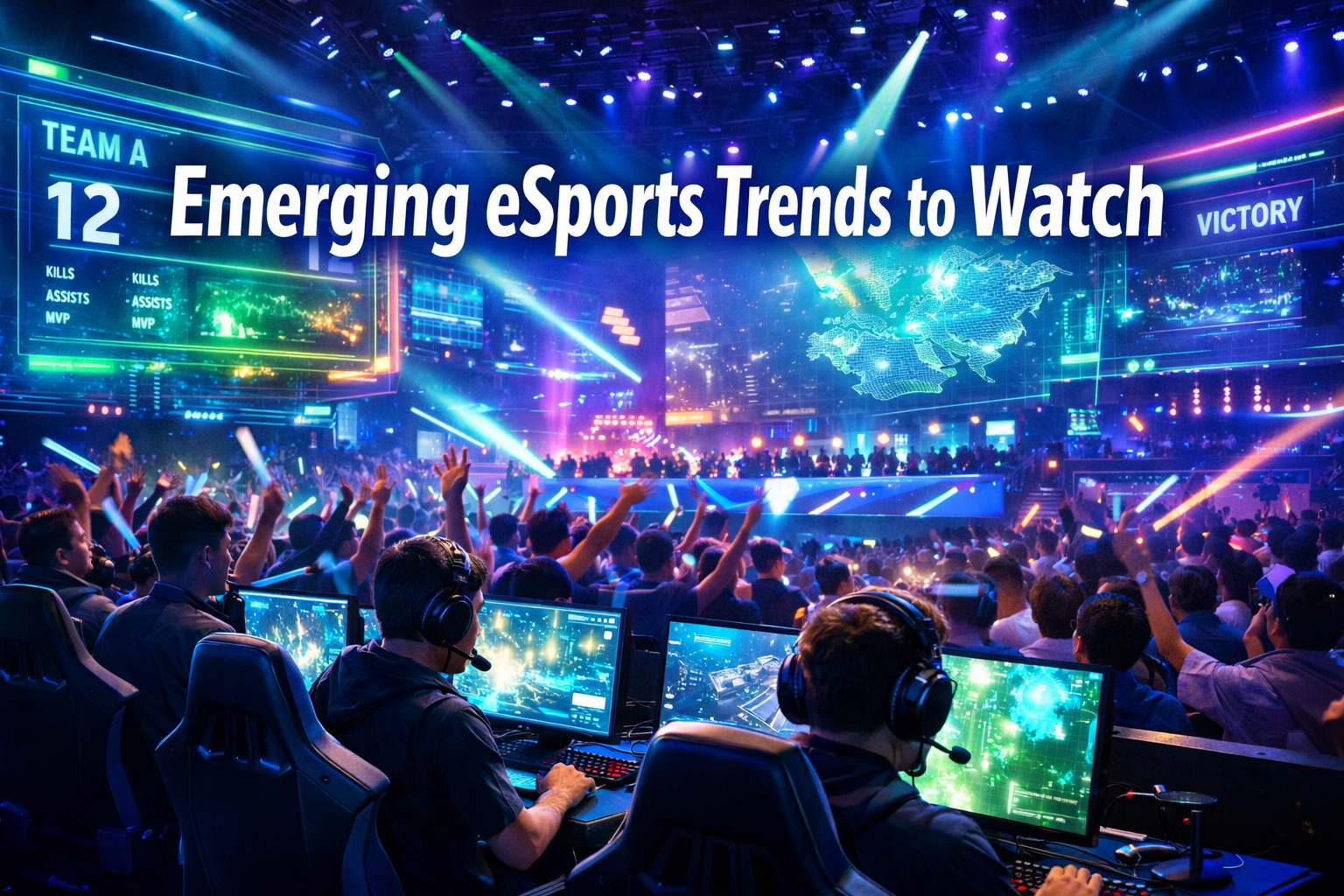
The competitive gaming landscape is perpetually dynamic, and 2026 stands as a pivotal year for its evolution. With technological advancements pushing boundaries and global interest soaring, several emerging eSports trends to watch are poised to reshape how we engage with professional gaming. From grassroots initiatives to cutting-edge virtual experiences, eSports continues its remarkable journey from niche hobby to mainstream phenomenon. This article will explore the most significant developments defining the future of eSports in 2026, offering insights into what spectators, players, and industry stakeholders can anticipate.
Key Takeaways
- Mobile eSports Dominance: Driven by accessibility and 5G, mobile gaming will continue its explosive growth, widening the eSports audience globally.
- Immersive Technologies: AR and VR are enhancing both player and spectator experiences, creating new levels of engagement in live broadcasts and virtual arenas.
- Inclusion & Well-being: Increased focus on diversity and mental health support is professionalizing the industry and fostering healthier, more welcoming environments.
- Academic & Metaverse Integration: Collegiate eSports programs are legitimizing gaming careers, while the metaverse promises revolutionary interactive eSports experiences.
- Streaming Innovation: Advances in streaming technology, including AI analytics and personalized content, are enriching the viewer experience and driving further growth.
Growing Popularity of Mobile eSports
Mobile gaming has not just been on an upward trajectory for years; it’s experiencing an explosion in popularity within the eSports arena in 2026. Titles like PUBG Mobile, Call of Duty: Mobile, and Garena Free Fire are no longer just casual pastimes; they are drawing massive audiences, generating substantial prize pools, and becoming integral to the competitive gaming circuit. This surge is primarily fueled by the unparalleled accessibility of mobile devices. For gamers in regions where high-end gaming PCs and consoles might be less common or financially prohibitive, smartphones offer a relatively low-cost and inclusive entry point into the exciting world of eSports. This demographic shift is profoundly impacting the global reach and diversity of the eSports community.
The ongoing rollout and refinement of 5G technology are also playing a critical, enabling role. 5G provides the stable, low-latency, and fast internet connections that are absolutely necessary for competitive mobile gaming. The improved responsiveness and speed offered by 5G networks are enabling smoother gameplay, reducing frustrating lags, and facilitating broader participation in high-stakes tournaments. This technological backbone is further boosting the appeal and viability of mobile eSports as a serious competitive platform. As we delve deeper into 2026, the mobile eSports sector is not just expected to continue its rapid expansion; it’s anticipated to host more tournaments with even larger prize pools and attract unprecedented audiences, solidifying its position as a dominant force among the emerging eSports trends to watch.
“Mobile eSports is democratizing competitive gaming, opening doors for millions globally. 5G is the accelerator, transforming casual play into serious competition with seamless performance.”
The eSports market is also experiencing rapid growth from the fan’s perspective, offering a wide array of betting odds and options specifically tailored to eSports. This growing acceptance by mainstream betting platforms reflects its increasing legitimacy and integration into broader entertainment and sports industries. This further underscores the commercial viability and widespread appeal of competitive gaming.
Integration of Augmented Reality (AR) and Virtual Reality (VR)
Technological advancements in Augmented Reality (AR) and Virtual Reality (VR) are no longer just concepts; they are beginning to make significant, tangible inroads into the eSports world. These innovations promise a profoundly more immersive and interactive experience for both players and spectators. By incorporating AR and VR elements, games can transcend traditional displays, creating dynamic and engaging environments that fundamentally transform how eSports events are perceived and enjoyed. This represents a significant leap forward in viewer engagement and content delivery.
In 2026, we are witnessing a rapidly growing number of eSports tournaments actively experimenting with AR and VR to enhance viewer engagement in innovative ways. For instance, the seamless integration of AR into live broadcasts allows spectators to view critical game statistics, player health bars, and even player movements overlaid directly onto their physical environment via smart devices or specialized glasses. Imagine watching a pro match in your living room with a holographic representation of the game unfolding on your coffee table! Meanwhile, VR offers the potential for fully immersive, first-person spectator experiences, where fans can feel as if they are literally inside the game’s arena or even standing alongside their favorite players. These technologies are expected to become increasingly prevalent and sophisticated as they evolve, setting new and exciting standards for how eSports are consumed, interacted with, and ultimately enjoyed by a global audience. The fusion of eSports with AR/VR is undoubtedly one of the most exciting emerging eSports trends to watch this year.
Inclusion and Diversity: A Core Principle of Emerging eSports Trends to Watch
The push for greater inclusion and diversity within eSports is gaining significant and much-needed momentum in 2026. This year, we are seeing a remarkable increase in initiatives specifically launched to support and uplift underrepresented groups, including women and non-binary individuals, in competitive gaming. Dedicated events and leagues tailored to these demographics are becoming more common, signaling a crucial shift towards a more equitable playing field. Furthermore, leading eSports organisations are making concerted and visible efforts to create truly inclusive and welcoming environments, moving beyond token gestures to systemic change.
A key focus for these organisations is the creation of safe and respectful spaces for all players. This is absolutely essential for broadening the participant base, attracting fresh talent, and enriching the community as a whole. These efforts are not merely about ‘being diverse’; they are actively helping to diversify the talent pool, bringing new perspectives and playstyles to the forefront of competitive gaming. Moreover, these inclusive practices are attracting entirely new audiences to eSports, further solidifying its place in mainstream entertainment and demonstrating a commitment to social responsibility. The industry’s evolving stance on inclusion and diversity is a vital component of the most impactful emerging eSports trends to watch.
Focus on Mental Health
As the intense pressures of competitive gaming continue to mount, the critical importance of mental health is finally being acknowledged, prioritized, and addressed across the eSports industry. In 2026, it is no longer acceptable to overlook player well-being. More eSports teams and organisations are proactively investing in comprehensive mental health resources for their players, recognizing that psychological well-being is not just beneficial, but absolutely crucial for maintaining peak performance and a sustainable career in professional gaming.
These investments are becoming increasingly robust and varied. They commonly include regular counselling sessions with qualified professionals, educational mental health workshops designed to equip players with coping strategies, and the hiring of dedicated sports psychologists who specialize in the unique demands of competitive gaming. Such measures are rapidly becoming standard practice, reflecting a broader and deeper understanding of the unique challenges that professional gamers face – from intense pressure to perform, to public scrutiny, to the physical demands of long hours. By prioritizing mental health, the eSports industry is not only significantly improving the well-being of its players but is also setting a commendable example for other competitive fields and industries, highlighting its maturity as a professional sport. This commitment to player welfare is a defining characteristic of the emerging eSports trends to watch in 2026.
Rise of College eSports Programs
Universities across the globe are increasingly embracing eSports, offering valuable eSports scholarships and developing sophisticated, dedicated eSports programs. This trend signifies a major cultural shift, treating competitive gaming with the same seriousness and academic integration as traditional collegiate sports. This movement is gaining even more traction in 2026, as a growing number of institutions recognize the immense potential of eSports not just as a recreational activity, but as a legitimate, lucrative, and reputable career path for their students.
These burgeoning programs provide young, aspiring talent with a structured and supportive pathway to professional gaming. They often encompass comprehensive training regimens, regular participation in intercollegiate and national competitions, and crucial academic support to ensure students maintain their studies alongside their gaming commitments. Moreover, by actively integrating eSports into their curriculum and athletic departments, universities are playing a pivotal role in further legitimizing the industry. This academic endorsement makes eSports more accessible and appealing to aspiring gamers from diverse backgrounds who might otherwise struggle to find a clear route into professional play. The flourishing of collegiate eSports programs is a clear indicator of the professionalization and mainstream acceptance that defines the emerging eSports trends to watch.
Benefits of College eSports Programs
| Benefit Category | Description | Impact |
|---|---|---|
| Academic Support | Provides tutoring and academic advisement to balance gaming with studies. | Ensures holistic development and career readiness beyond gaming. |
| Professional Pathway | Offers structured training, coaching, and competitive experience. | Creates a clear route for aspiring pros to hone skills and gain exposure. |
| Scholarship Opportunities | Financial aid making higher education and gaming accessible. | Reduces financial barriers, attracting diverse talent. |
| Community & Networking | Builds a supportive network of peers, coaches, and industry contacts. | Fosters teamwork, leadership skills, and future career opportunities. |
| Legitimization | Integrates eSports into traditional university frameworks. | Increases industry credibility and wider societal acceptance. |
Advances in Streaming Technology
Streaming technology continues its relentless march forward, providing not just higher-quality broadcasts but also a burgeoning array of more interactive and personalized features. In 2026, platforms like Twitch, YouTube Gaming, and Facebook Gaming are actively pushing the envelope with innovative developments that profoundly enhance the viewer experience. These advancements are crucial for maintaining and growing the massive eSports audience.
Related Posts:





For example, AI-driven analytics are now being seamlessly integrated to provide real-time insights during broadcasts. This means viewers are getting instant data on player performance, strategic breakdowns, and predictive outcomes, making streams far more informative and engaging. Imagine an AI overlay predicting a team’s next move or highlighting a player’s micro-decisions! Additionally, new features such as multi-angle viewing allow spectators to switch perspectives during a match, from a bird’s-eye tactical view to a specific player’s first-person perspective. Personalized content recommendations, dynamic chat integrations, and even interactive polls directly influencing broadcast elements are also being introduced to cater to individual preferences and foster a stronger sense of community. These ongoing advancements are making eSports broadcasts more accessible, enjoyable, and sticky for fans, thereby driving further growth in viewership and cementing their place as key emerging eSports trends to watch.
The Metaverse and eSports: A New Frontier Among Emerging eSports Trends to Watch
One of the most thrilling and potentially transformative developments in 2026 is the burgeoning intersection of eSports and the metaverse. As virtual worlds become increasingly sophisticated, immersive, and capable of supporting complex social and economic interactions, they are concurrently opening up entirely new opportunities for revolutionary eSports experiences. The metaverse allows for unprecedented levels of interaction and engagement, where players and spectators can interact within richly detailed virtual environments that intentionally blur the lines between physical reality and the digital world.
Within the metaverse, eSports events are no longer confined to physical arenas or even flat screens. They can be hosted in spectacular virtual arenas, custom-built for specific games or tournaments, offering architectural wonders and dynamic visual effects impossible in the real world. Spectators from across the globe, represented by their avatars, can gather in these virtual spaces to watch, interact with each other, purchase virtual merchandise, and even participate in real-time ancillary activities and mini-games. This technology is not just expected to enhance how eSports events are watched; it is poised to fundamentally revolutionize how they are conducted, experienced, and monetized, creating entirely new paradigms for competitive gaming. This makes 2026 a pivotal year for the deep integration of eSports and the metaverse, marking it as a truly game-changing element within the emerging eSports trends to watch.
The Future of eSports in 2026
The eSports industry in 2026 is undeniably on the cusp of significant evolution, driven by a powerful confluence of rapid technological advancements, profound cultural shifts, and an ever-deepening global interest. The trends highlighted this year collectively showcase just how far eSports has come from its relatively niche beginnings, transforming into a mainstream global phenomenon that is now influencing not just entertainment and technology, but also education and even mental health awareness. The sustained growth and diversification signal a robust and exciting future for competitive gaming.
The pervasive rise of mobile eSports is actively democratizing access to competitive gaming, effectively inviting players and attracting audiences from virtually all corners of the globe. This is particularly true in regions where traditional, high-cost gaming setups might be less common. With the continued, widespread rollout of advanced 5G technology, mobile eSports is projected to experience even more explosive growth, potentially even surpassing some traditional forms of competitive gaming in terms of sheer participation numbers and overall viewership. This expansion makes it a critical area within the emerging eSports trends to watch.
Simultaneously, groundbreaking innovations in Augmented Reality (AR) and Virtual Reality (VR) are actively setting the stage for more immersive, interactive, and personalized eSports experiences. These sophisticated technologies are not simply enhancing how games are played and passively viewed; they are actively transforming the entire spectator experience, making it far more engaging, dynamic, and personal. As these technologies become more seamlessly integrated into eSports broadcasts and events, they are highly likely to redefine what it truly means to participate in and thoroughly enjoy competitive gaming, offering levels of presence and interaction previously unimaginable.
Furthermore, the increasing focus on inclusion and diversity is not just a moral imperative; it’s a strategic move that broadens the talent pool and appeals to a wider audience, making eSports a more welcoming and representative community. Coupled with the growing emphasis on mental health support for players, the industry is maturing into a more sustainable and responsible ecosystem. The integration of eSports into academic institutions through collegiate programs provides legitimate pathways for aspiring professionals, lending further credibility and structure to the scene. Finally, the pioneering intersection with the metaverse promises entirely new realms of interactive fan engagement and revolutionary event formats, solidifying eSports’ position at the forefront of digital entertainment.
Actionable Next Steps for Stakeholders
- For Developers & Publishers: Invest heavily in mobile-first competitive titles and explore AR/VR integrations for future game releases. Prioritize game design that supports diverse player bases.
- For Tournament Organizers: Experiment with AR/VR spectator experiences, implement robust mental health support systems for competitors, and actively promote inclusive tournaments.
- For Universities: Continue to develop and promote eSports scholarships and academic programs, fostering the next generation of talent and industry professionals.
- For Brands & Advertisers: Leverage advanced streaming analytics for targeted campaigns and explore sponsorship opportunities within the metaverse eSports scene.
- For Fans & Aspiring Players: Explore new mobile eSports titles, engage with AR/VR enhanced broadcasts, and seek out inclusive communities and collegiate eSports opportunities.
These emerging eSports trends to watch in 2026 are not just isolated phenomena; they are interconnected forces driving the industry towards a more accessible, immersive, inclusive, and professional future. The momentum is undeniable, and the coming years promise even greater innovation and expansion.
Frequently Asked Questions about Emerging eSports Trends to Watch
What makes mobile eSports so popular in 2026?
Mobile eSports’ popularity stems from the accessibility of smartphones, which provide a low-cost entry point to competitive gaming globally. The widespread adoption of 5G technology also enables stable, low-latency connections essential for high-level competitive play, significantly boosting its growth and appeal.
How are AR and VR impacting eSports viewership?
AR and VR technologies are transforming eSports viewership by offering more immersive and interactive experiences. AR overlays provide real-time game statistics and player movements directly into the viewer’s environment, while VR allows fans to experience games from within a virtual arena, enhancing engagement and immersion.
Why is mental health a growing focus in eSports?
As the pressures of competitive gaming intensify, mental health has become a critical focus. Teams and organizations recognize that psychological well-being is vital for peak performance and player longevity. Investments in counseling, workshops, and sports psychologists are becoming standard to support players facing unique professional demands.
What role do college eSports programs play in 2026?
College eSports programs are legitimizing competitive gaming as a career path. They offer structured training, academic support, and scholarships, providing a clear pathway for aspiring professionals. These programs also help diversify the talent pool and integrate eSports into traditional educational frameworks.
How will the metaverse influence future eSports events?
The metaverse is expected to revolutionize eSports by hosting events in immersive virtual arenas. Players and spectators, represented by avatars, can interact in unprecedented ways, blurring the lines between reality and the digital world. This will create new forms of engagement, community, and monetization opportunities for events.
How to Stay Ahead of Emerging eSports Trends to Watch
Step 1: Follow Key Industry Publications and Analysts
Regularly read reports and articles from leading eSports news outlets, market research firms, and financial analysts (e.g., Newzoo, Esports Insider, GamesIndustry.biz). These sources provide data-driven insights and predictions on market shifts and emerging technologies.
Step 2: Engage with Streaming Platforms and Content Creators
Actively watch eSports content on Twitch, YouTube Gaming, and other platforms. Pay attention to new features, interactive elements, and popular games. Follow influential streamers and content creators who often highlight or even drive new trends.
Step 3: Attend Virtual and Physical eSports Events
Whenever possible, attend major eSports tournaments, either in person or through their virtual broadcasts. These events are often showcases for new technologies like AR/VR integrations, innovative production techniques, and emerging games. Networking at these events can also provide invaluable insights.
Step 4: Explore Academic and Collegiate eSports Initiatives
Keep an eye on university eSports programs and research. These institutions are often at the forefront of player development, sports science applications in gaming, and exploring the societal impacts of eSports. Their developments can signal long-term shifts in talent pipelines and industry legitimacy.
Step 5: Experiment with New Technologies (AR/VR/Metaverse)
If feasible, personally experience new technologies such as AR applications, VR games, and early metaverse platforms. Understanding these innovations firsthand will provide a deeper appreciation for their potential impact on eSports, allowing you to anticipate future trends more effectively.
Key eSports Terms Defined
- Mobile eSports
- Competitive gaming conducted on mobile devices like smartphones and tablets, often featuring titles such as PUBG Mobile and Call of Duty: Mobile.
- Augmented Reality (AR)
- A technology that overlays digital information, such as game statistics or virtual objects, onto a real-world view, enhancing live eSports broadcasts for spectators.
- Virtual Reality (VR)
- A technology that creates a fully immersive, simulated environment for users, allowing eSports fans to experience games from within a virtual arena.
- 5G Technology
- The fifth generation of cellular broadband technology, offering significantly faster speeds and lower latency, crucial for competitive mobile eSports.
References
-
- Esports Charts. (n.d.). Esports Organisations. Retrieved from https://escharts.com/organizations
-
- Unibet. (n.d.). Betting Odds. Retrieved from https://www.unibet.nl/betting