
Table of Contents
Customize Your Gaming Setup: Tailoring Your Sanctuary for Peak Performance & Enjoyment
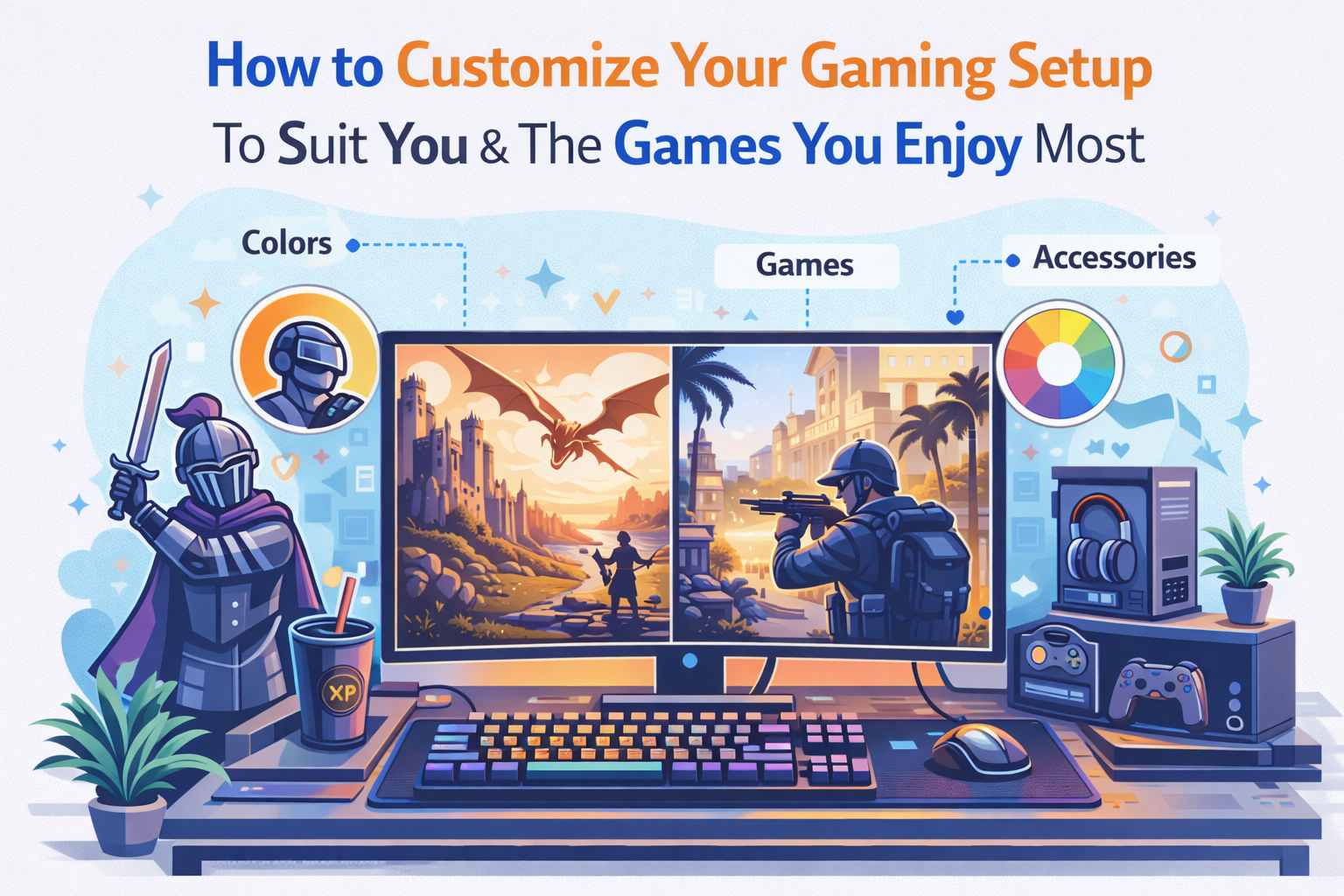
In the vibrant world of gaming, your setup transcends mere hardware; it’s a meticulously crafted personal domain designed to elevate your experience. Whether you’re unwinding with a casual game of solitaire or meticulously planning strategies in a high-stakes Fortnite match, the ability to customize your gaming setup offers a transformative edge. Every element, from the ergonomic contours of your chair to the dynamic glow of your ambient lighting, plays a pivotal role in ensuring both comfort and competitive advantage. In 2026, the potential for personalization is greater than ever, allowing gamers to truly sculpt a space that reflects their unique style and gaming ambitions.
Key Takeaways
- Ergonomics are Essential: Prioritize comfort and health with ergonomic seating, desk height, and peripheral placement to prevent strain during extended sessions.
- Hardware Aligns with Gameplay: Select monitors, GPUs, and storage based on your preferred game genres, balancing refresh rates for competitive titles with visual fidelity for immersive narratives.
- Ambiance Enhances Immersion: Utilize smart lighting, quality audio, and personal decor to create a captivating and functional gaming environment.
- Software Optimizations Matter: Fine-tune in-game settings and leverage accessories to boost performance and tailor the experience to your exact preferences.
- Personalization is Key: Make your gaming space uniquely yours by adding personal touches, art, and collectibles that reflect your identity and passions.
The Basics of a Good Gaming Setup
Before diving into the specifics of how to customize your gaming setup, it’s essential to establish a robust foundation. Every exceptional gaming environment, regardless of its ultimate aesthetic or complexity, rests upon core principles of comfort, functionality, and intelligent design. These foundational elements are the starting point for any gamer looking to optimize their space. Let’s explore the essentials that form the bedrock of any truly great gaming sanctuary.
- Comfortable Seating: Your gaming chair is arguably one of the most critical investments you’ll make. It’s where you’ll spend countless hours, navigating virtual worlds, competing against rivals, or simply enjoying a relaxing session. Prioritize chairs with ergonomic features designed to support natural spinal alignment, reduce pressure points, and minimize fatigue. Look for adjustable lumbar support, armrests, and seat height to ensure you can maintain an optimal posture throughout long gaming marathons. A good chair isn’t just about luxury; it’s about safeguarding your health and enhancing your focus.
- Quality Desk: The gaming desk serves as the command center for your entire operation. It needs to be more than just a surface; it must be a sturdy, spacious, and well-organized platform for all your gear. Consider the dimensions carefully – ensure it can comfortably accommodate multiple monitors, your keyboard, mouse, controllers, and any other peripherals without feeling cramped. A stable desk minimizes wobble, which can be distracting during intense gameplay, and provides a solid base for delicate electronics. Cable management solutions, whether built-in or added later, are also crucial for maintaining a clean and clutter-free workspace, improving both aesthetics and safety.
- High-Performance Hardware: The heart of any gaming setup is its hardware. The specific components you choose will depend heavily on the types of games you enjoy and your desired performance levels. For PC gamers, this means a powerful CPU, a capable graphics card (GPU), sufficient RAM, and fast storage. Console gamers will rely on their chosen system (e.g., PlayStation 5, Xbox Series X, Nintendo Switch) paired with a responsive display. Additionally, essential peripherals like a reliable monitor, a responsive keyboard, a precise mouse, or an intuitive controller are non-negotiable for a seamless gaming experience. Understanding the interplay between these components is vital for creating a setup that truly excels.
Personalizing Your Gaming Space
With the fundamental building blocks in place, the exciting journey of personalization truly begins. This is where you transform a functional space into a reflection of your identity, tailoring every aspect to enhance your gaming experience. To truly customize your gaming setup, you must consider how each element contributes to your unique needs and preferences.
1. Choosing the Right Hardware to Customize Your Gaming Setup
Your hardware choices are fundamental to how you customize your gaming setup. They directly impact your performance, immersion, and overall enjoyment. The optimal selection isn’t about having the most expensive components but about aligning your gear with your specific gaming habits and the genres you love.
For instance, if your passion lies in competitive, fast-paced shooters like “Call of Duty,” “Valorant,” or the aforementioned “Fortnite,” your priorities will lean towards hardware that offers speed and precision. This translates to high-refresh-rate monitors (144Hz, 240Hz, or even 360Hz) for fluid motion, and responsive gaming mice with adjustable DPI for pinpoint accuracy. Every millisecond can matter in these scenarios.
Conversely, if you gravitate towards deeply immersive, story-driven epics such as “The Witcher 3: Wild Hunt,” “Red Dead Redemption 2,” or “Cyberpunk 2077,” your focus might shift towards visual fidelity and atmospheric rendering. Here, a high-resolution monitor (2K or 4K) with excellent color accuracy and HDR (High Dynamic Range) support can dramatically enhance the visual storytelling and transport you deeper into these virtual worlds.
Key Hardware Considerations
- Monitor: This is your window into the game.
- Competitive Gaming: Prioritize monitors with high refresh rates (144Hz or higher) and low response times (1ms GTG) to minimize motion blur and input lag. Adaptive sync technologies like G-Sync or FreeSync are also crucial for tear-free gameplay.
- Immersive Single-Player Games: Opt for 4K resolution monitors to reveal intricate details, especially on larger screens. Look for HDR support for stunning contrast and vibrant colors, creating a more lifelike and engaging visual experience.
- Ultrawide Monitors: For some, an ultrawide monitor can offer a uniquely immersive field of view, particularly appealing in simulation, RPG, or strategy games.
- Graphics Card (GPU): The GPU is the engine that renders your games. Its power directly dictates the visual settings, resolution, and frame rates you can achieve.
- Budgeting: Allocate a significant portion of your PC budget here. Research benchmarks for the games you intend to play at your desired resolution and frame rate.
- Future-Proofing: While complete future-proofing is elusive, investing in a slightly more powerful GPU than you currently need can extend its viability for upcoming titles in 2026 and beyond.
- Storage (SSD vs. HDD): The speed of your storage impacts load times and overall system responsiveness.
- SSDs (Solid State Drives): These are essential for gaming in 2026. NVMe SSDs, in particular, offer lightning-fast load times, which are crucial for games with large open worlds, frequent scene changes, or competitive multiplayer titles where quick starts are advantageous.
- HDDs (Hard Disk Drives): While slower, HDDs still offer a cost-effective solution for storing less frequently accessed games or media files. A common setup involves an SSD for your operating system and primary games, and an HDD for bulk storage.
- CPU (Central Processing Unit): The CPU processes game logic, AI, and physics.
- Multi-core Performance: Modern games increasingly leverage multiple cores, so a CPU with a good balance of core count and clock speed is ideal.
- Bottlenecking: Ensure your CPU is powerful enough to keep up with your GPU; an imbalanced pairing can lead to a “bottleneck” where one component limits the performance of the other.
- RAM (Random Access Memory): Essential for running games and background applications smoothly.
- Capacity: 16GB of RAM is generally the sweet spot for most gaming in 2026, with 32GB offering more headroom for multitasking or memory-intensive titles.
- Speed: Faster RAM (e.g., 3200MHz, 3600MHz) can also offer slight performance boosts, especially with certain CPUs.
2. Creating the Perfect Ambiance
Beyond raw performance, the sensory experience of your gaming space profoundly influences immersion and comfort. The atmosphere you cultivate through lighting and sound can significantly elevate your time spent gaming, transforming it into a more captivating and personalized journey.
Lighting and Atmosphere
Lighting is not merely decorative; it’s a strategic element for reducing eye strain, setting the mood, and even enhancing in-game immersion.
- LED Strips and Smart Lighting: These are powerful tools for ambiance.
- Dynamic Backlighting: Installing RGB LED strips behind your monitor or around the perimeter of your desk creates a subtle, diffuse backlight that can reduce eye fatigue by minimizing the contrast between your bright screen and a dark room.
- Smart Integration: Modern smart lighting systems (like Philips Hue or Govee) can be integrated with certain games or PC software. This allows the lights to dynamically change colors and intensity based on in-game events—a red flash when you take damage, a soft blue glow during an underwater scene, or pulsating colors to match an action sequence. This level of environmental feedback can dramatically deepen immersion.
- Ambient Light: Harsh, direct overhead lighting can cause glare on your screen and contribute to eye strain.
- Soft and Indirect: Instead, opt for soft, indirect ambient lighting. This could involve strategically placed lamps with warm-toned bulbs, or sconces that bounce light off walls and ceilings.
- Controlled Brightness: Dimmers are excellent for adjusting the light level to suit different times of day or specific gaming moods. The goal is a comfortable, balanced illumination that complements your screen, rather than competing with it.
- Natural Light: If your setup allows, leverage natural light. However, be mindful of direct sunlight that can cause glare. Blackout curtains or blinds can provide control over external light sources when needed.
3. Sound Matters: Audio Setup for Your Gaming Experience
Audio is half the experience, yet it’s often overlooked when gamers customize their gaming setup. Great sound design can build tension, provide crucial spatial cues in competitive games, and deliver emotional impact in narrative-driven titles. Your choice of audio gear will depend on your preferences, living situation, and the types of games you play.
Audio Options
- Headsets: For most gamers, a quality headset is the go-to choice, especially for competitive play.
- Competitive Edge: Look for headsets with excellent spatial audio capabilities (virtual surround sound) to accurately pinpoint enemy footsteps or gunshots. A clear, noise-canceling microphone is crucial for effective team communication.
- Comfort for Long Sessions: Prioritize comfort features like plush, breathable ear cups (memory foam is a plus) and an adjustable, lightweight headband. Wireless options offer freedom of movement, while wired headsets typically provide superior audio fidelity and no latency concerns.
- Speakers: If you prefer to game without headphones, or want to share the experience, a speaker system can provide a more expansive soundstage.
- Surround Sound Systems: For true immersion, a 5.1 or 7.1 surround sound system can envelop you in the game world, making you feel like sounds are coming from all directions. This requires more space and often professional setup.
- Quality Desktop Speakers: Even a good 2.0 or 2.1 (with a subwoofer) speaker system can offer rich, detailed audio. Look for speakers with clear highs, robust mids, and satisfying bass for impactful explosions and soundtracks. Speaker placement is key to optimizing their sound.
- Sound Card/DAC: For audiophiles, an external DAC (Digital-to-Analog Converter) or a high-quality internal sound card can bypass your motherboard’s potentially inferior onboard audio, delivering cleaner, more precise sound to your headphones or speakers.
4. Customizing Your Workspace: Adding Personality
Your gaming setup is more than just a collection of electronics; it’s a personal statement, a reflection of your passions and personality. Infusing your space with unique decorations and accessories is a vital step in making it feel like a true extension of yourself. As BuzzFeed suggests, aesthetic upgrades can dramatically enhance the overall vibe.
Personal Touches
- Wall Art and Posters:
- Inspiration and Atmosphere: Adorn your walls with posters, framed art, or tapestries inspired by your favorite games, franchises, or gaming culture. This not only decorates your space but also serves as a constant source of inspiration and enjoyment.
- Themed Aesthetics: Whether it’s minimalist art from “Portal,” vibrant landscapes from “Zelda,” or gritty cyberpunk cityscapes, your wall art helps define the overall aesthetic of your room.
- Collectibles and Figures:
- Showcase Your Fandom: Display your prized collection of gaming memorabilia. This could include limited-edition action figures, statues, amiibo, Funko Pops, or even replica props from your favorite virtual universes.
- Personalized Storytelling: Each collectible tells a story, making your setup uniquely yours and a conversation starter for anyone who sees it. Use shelves, display cases, or even dedicated display lighting to highlight your treasures.
- Cable Management: While not strictly decorative, excellent cable management significantly contributes to a clean, professional, and visually appealing setup. Tidy cables make your space feel less cluttered and more intentionally designed. Use cable ties, sleeves, channels, and adhesive clips to route and conceal wires.
- Desk Accessories: Small items can make a big difference.
- Mouse Pads: A large, artistic mouse pad can cover a significant portion of your desk, acting as a functional piece of art.
- Headphone Stands: A stylish headphone stand keeps your headset organized and within reach.
- Coasters: Themed coasters prevent unsightly rings and add another layer of detail.
- Plants and Nature: Introducing small plants (real or artificial) can add a touch of life and freshness to your space, breaking up the tech-heavy aesthetic.
- Color Scheme: Consider a cohesive color scheme for your entire setup, from RGB lighting to peripheral colors and wall decor. A well-planned palette creates a harmonious and visually appealing environment.
Ergonomics: The Key to Comfort and Longevity
Beyond aesthetics and performance, the most crucial aspect of any customized gaming setup is ergonomics. Neglecting proper ergonomic principles can lead to discomfort, fatigue, and even chronic injuries over time. A well-designed ergonomic setup not only enhances your comfort during long gaming sessions but also protects your physical health, allowing you to enjoy your hobby for years to come.
Ergonomic Tips
Implementing these tips will help you create a setup that prioritizes your well-being:
- Monitor Height: The top of your monitor screen should be at or slightly below eye level. This ensures that your head and neck remain in a neutral, relaxed position, preventing craning or slumping.
- Adjustments: If your monitor isn’t tall enough, use a monitor stand, riser, or even a stack of sturdy books to elevate it. Most modern monitors also offer height adjustment.
- Chair Position: Proper chair adjustment is paramount for spinal health.
- Feet Flat: Your feet should be flat on the ground or comfortably resting on a footrest. Avoid dangling feet, which can restrict circulation.
- 90-Degree Angles: Your knees should be at approximately a 90-degree angle, as should your hips.
- Lumbar Support: Utilize your chair’s lumbar support (or add a separate lumbar pillow) to maintain the natural inward curve of your lower back. This prevents slouching and reduces lower back strain.
- Armrests: Adjust your armrests so that your elbows are at a 90-100 degree angle, keeping your shoulders relaxed and your wrists straight when typing or using your mouse.
- Keyboard and Mouse Placement: The positioning of your primary input devices is critical for preventing wrist and shoulder issues.
- Neutral Wrist Position: Your wrists should be straight, not bent up or down, or angled to the sides. Your keyboard and mouse should be close enough that you don’t have to reach excessively.
- Elbows Close: Keep your elbows close to your body.
- Ergonomic Peripherals: Consider investing in an ergonomic keyboard (like a split or curved design) and an ergonomic mouse (like a vertical mouse) that promote a more natural hand and wrist posture. These can be particularly beneficial for users experiencing discomfort or those with pre-existing conditions.
- Regular Breaks: Even the most ergonomically perfect setup cannot negate the need for regular breaks. Every 30-60 minutes, stand up, stretch, and walk around to improve circulation and reduce static muscle load.
- Lighting for Eye Health: As mentioned earlier, proper ambient lighting reduces eye strain. Also, consider the “20-20-20 rule”: every 20 minutes, look at something 20 feet away for at least 20 seconds to give your eyes a rest.
Enhancing Your Gaming Experience Further
Once the physical aspects of your customized gaming setup are meticulously arranged for optimal comfort and performance, the next step is to refine your overall gaming experience through software tweaks and thoughtful accessories. These elements can unlock new levels of immersion, convenience, and competitive advantage.
Software and Accessories
Maximizing your setup isn’t just about what you physically have; it’s also about how you use it and what complements it.
- Game Settings: Often overlooked, customizing in-game settings is a powerful way to personalize and optimize your experience.
- Performance vs. Visuals: Balance graphical settings to achieve the best combination of visual fidelity and smooth frame rates for your hardware. If you’re a competitive player, prioritizing frame rate over ultra settings is usually the smart move.
- Sensitivity and Key Bindings: Experiment with mouse sensitivity, controller dead zones, and custom key bindings. Tailoring these to your muscle memory and play style can dramatically improve your reaction time and efficiency in games. Many professional players spend hours fine-tuning these subtle but impactful settings.
- Audio Mix: Adjust in-game audio channels (music, effects, dialogue) to your preference. For competitive games, reducing music volume might help you hear crucial sound cues better.
- Driver Updates: Regularly update your graphics card drivers, chipset drivers, and other system drivers. Manufacturers frequently release updates that offer performance improvements and bug fixes for the latest games.
- Accessories: The right accessories can add layers of convenience, immersion, and even health benefits.
- Gaming Chair with Built-in Speakers: For some, a gaming chair with integrated speakers can provide an enveloping audio experience without the need for headphones, though quality varies.
- High-Quality Webcam for Streaming: If you’re considering streaming or creating content, a dedicated webcam with good resolution (1080p at 30/60fps) and low-light performance is essential for engaging with your audience.
- VR Headset: For the ultimate immersive experience, a VR headset (like an Meta Quest 3, PlayStation VR2, or Valve Index) can transport you directly into virtual worlds. While a significant investment, the unique gameplay opportunities are unparalleled for certain titles.
- Stream Deck/Macro Pad: For streamers or power users, a programmable stream deck (e.g., Elgato Stream Deck) or macro pad can put complex commands, hotkeys, and stream controls at your fingertips, streamlining your workflow.
- Controller Chargers/Stands: Keep your controllers charged and organized with dedicated charging docks or display stands.
- Headphone Hanger: A simple yet effective accessory, a headphone hanger keeps your headset off the desk, saving space and preventing damage.
- USB Hub: As setups grow, so do the number of USB devices. A powered USB hub can expand your connectivity options and ensure stable power delivery.
- Smart Plugs: Use smart plugs to easily power on/off multiple peripherals or control your ambient lighting with voice commands or schedules.
- Footrest: An ergonomic footrest can complement your chair by ensuring proper leg and foot positioning, further enhancing comfort.
Conclusion: Making It Your Own in 2026
Creating a gaming setup that truly suits your individual style and gaming preferences is a dynamic and deeply rewarding process. In 2026, the sheer breadth of customizable options allows for an unparalleled level of personalization. From the foundational choices of ergonomic furniture and high-performance hardware, tailored precisely to the games you enjoy most, to the aesthetic refinements of dynamic lighting, rich audio, and personal decor, every decision contributes to forging a space that is uniquely yours.
Remember, the journey to the perfect setup isn’t a one-time event; it’s an ongoing evolution. As new games emerge, technology advances, and your own preferences shift, your setup can and should adapt. The best gaming setup is ultimately one that makes you excited to sit down, that enhances your immersion, and that prioritizes your comfort and well-being during countless hours of play. So, embrace the experimentation, have fun with the customization, and build a gaming sanctuary that is not only functional but also a true reflection of your passion and personality. Dive in, experiment, and sculpt the ultimate gaming haven that’s perfectly tuned to you.