
Table of Contents
Implementing Smart Home Devices to Raise the Value of Your Property in 2026
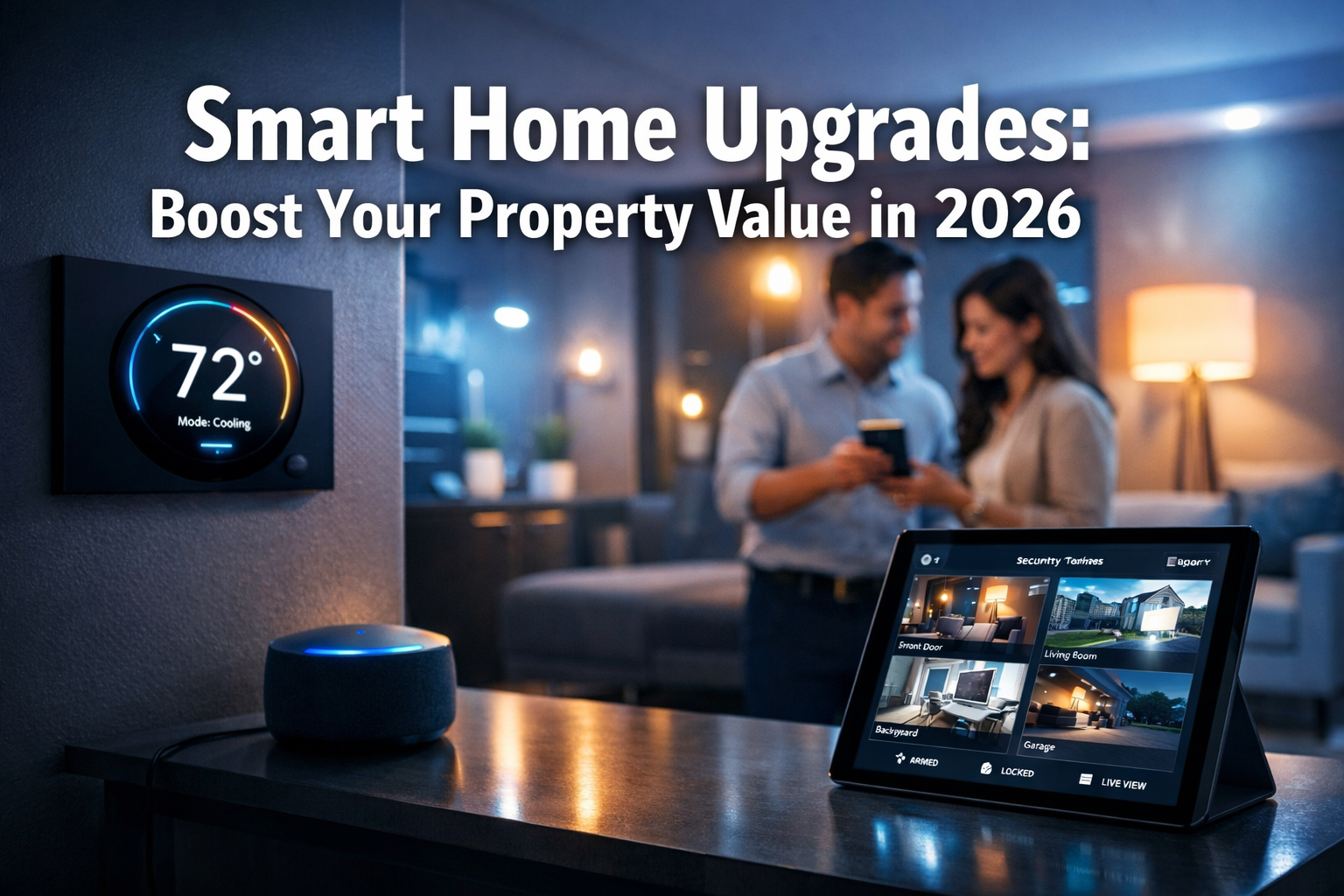
In today’s tech-integrated world, implementing smart home devices to raise the value of your property is a strategic move that goes far beyond mere convenience. This isn’t a passing trend—it’s a fundamental shift in buyer expectations, transforming homes into more attractive, efficient, and secure living spaces. As technological advancements continue to accelerate, both developers and homebuyers show heightened interest in smart technologies that simplify life, enhance comfort, and most importantly, boost property value in a competitive market. Preparing your home with intelligent features in 2026 ensures it resonates with the desires of the modern homeowner.
Key Takeaways
- Significant Value Increase: Homes equipped with smart technology can experience a ~5% increase in property value, representing a substantial return on investment.
- Strong Demand from Younger Generations: Millennials and Gen Z, the largest segments of today’s housing market, actively seek and are willing to pay more for smart-integrated homes, viewing them as essential.
- Top Value-Boosting Technologies: Smart security systems, energy-efficient devices (thermostats, lighting), and smart appliances offer the highest return on investment and broadest appeal.
- High User Satisfaction: The vast majority of smart device users report enhanced quality of life, citing convenience, security, and cost savings as primary benefits.
- Strategic Implementation is Key: Focus on technologies that offer tangible benefits, align with universal needs, and integrate seamlessly to maximize market appeal and ROI.
The Value of Smart Home Technology in Today’s Real Estate Market
The real estate landscape in 2026 is undeniably shaped by technology. Buyers no longer just look for square footage or curb appeal; they seek a lifestyle of seamless convenience, optimal efficiency, and robust security. Therefore, implementing smart home devices to raise the value of your property means future-proofing your home, ensuring it not only meets but exceeds modern expectations and stands out in a crowded market. This integration signals to potential buyers that your property is modern, well-maintained, and ready for contemporary living.
Impact on Property Value
Research consistently indicates that smart-equipped homes can experience a value increase of about 5%. To put that into perspective, on a $500,000 home, that translates to a significant $25,000 gain. This isn’t merely theoretical; beyond the financial uplift, smart homes consistently stand out in listings, attract a larger pool of serious buyers, and often sell faster because they are perceived as modern, move-in ready, and thoughtfully updated. The initial investment in smart technology becomes a powerful differentiator.
Demand Among Younger Generations
The driving force behind this surge in demand for smart homes is undeniably the younger generations, particularly Millennials and Gen Z—often referred to as “digital natives.” Having grown up immersed in technology, they don’t just prefer smart homes; they expect their living spaces to reflect the same sophistication and connectivity they experience in every other aspect of their lives.
The Appeal of Smart Features
- Efficiency: Devices like smart thermostats and advanced lighting systems offer tangible benefits, actively reducing energy bills and minimizing environmental impact—a key concern for many young buyers.
- Convenience: Voice control, automated routines, and remote access capabilities simplify daily tasks, freeing up time and reducing mental load.
- Security: Advanced smart security systems provide unparalleled peace of mind through features like remote monitoring, smart locks, and integrated alarms.
- Connectivity: Interconnected devices and integrated ecosystems create a seamless, cohesive living experience, making homes feel more intuitive and responsive.
Willingness to Pay More
Critically, these buyers are not just interested in smart homes; they are demonstrably willing to pay a premium for them. This willingness often translates into more competitive offers, faster sales cycles, and a stronger return on smart home investments for sellers. They see the added cost as an investment in a better quality of life and future-proof living.
The Shift in Homebuyer Preferences
The market has spoken: smart technology is now a non-negotiable factor in many home-buying decisions. Properties featuring these modern capabilities are seen as inherently more desirable, significantly increasing their marketability. Real estate listings increasingly highlight smart capabilities as major selling points, moving them from niche upgrades to essential amenities. This shift means that properties lacking smart integrations risk being overlooked in favor of those that offer a more connected and efficient lifestyle.
Key Smart Home Technologies That Boost Property Value
When considering implementing smart home devices to raise the value of your property, it’s crucial to focus on technologies that offer broad appeal and address universal needs: security, energy efficiency, and convenience. These categories consistently deliver the highest ROI and buyer satisfaction.
1. Smart Security Systems: Peace of Mind as a Premium Feature 🔒
Security remains a top priority for homeowners across all demographics. Smart security systems offer advanced protection, unparalleled peace of mind, and the convenience of remote access and monitoring, making them a highly attractive upgrade.
- Smart Locks: These provide keyless entry, grant remote access for trusted individuals, and allow for the generation of temporary, time-sensitive access codes for visitors or service providers. This eliminates the need for physical keys and enhances control.
- Surveillance Cameras: Wi-Fi-enabled cameras with features like motion detection, night vision, and cloud storage offer real-time monitoring and event recording, accessible from anywhere via a smartphone.
- Integrated Alarm Systems: These go beyond simple intrusion alerts, often integrating with smoke, fire, and carbon monoxide detectors to provide comprehensive protection and immediate alerts to homeowners and monitoring services.
In 2023, smart security remarkably held 22.6% of the overall smart home market share, underscoring its pivotal importance to buyers. Beyond enhancing safety, these systems often qualify for home insurance discounts, adding another layer of financial benefit for the homeowner.
2. Energy Efficiency Devices: Saving Money and the Planet 💡🌍
With escalating energy costs and growing environmental consciousness, energy-efficient devices are not just appealing but highly valuable. They represent a smart investment that pays dividends through reduced utility bills and a smaller carbon footprint.
- Smart Thermostats: Devices like Nest or Ecobee are far more sophisticated than traditional programmable models. They learn homeowner habits, detect presence, and optimize heating and cooling schedules, potentially cutting HVAC energy use by up to 50%.
- Smart Lighting: From individual smart bulbs to whole-home systems, smart lighting offers remote control, scheduling capabilities, motion sensors, and dimming features, all contributing to significant electricity waste reduction.
- Smart Plugs: These affordable devices transform any plugged-in appliance into a “smart” one, allowing for remote monitoring and control, timer setting, and energy usage tracking.
These features appeal immensely to buyers through the promise of tangible cost savings, measurable environmental benefits, and enhanced comfort through personalized climate and lighting control.
3. Smart Appliances: Modern Convenience and Elevated Lifestyle 🍽️✨
While typically a larger initial investment, integrating smart appliances can significantly elevate a home’s perceived value and overall appeal, especially in key areas like the kitchen and laundry room.
- Smart Refrigerators: These often include interior cameras allowing users to check inventory from the grocery store, built-in touchscreen panels for family notes and calendars, and even food expiration tracking.
- Smart Ovens: Features like remote preheating, recipe integration, and automatic temperature adjustments based on food type offer unparalleled convenience for the modern cook.
- Smart Laundry: Washers and dryers can be started remotely, send notifications when cycles are complete, and even suggest optimal wash settings based on fabric type.
These appliances not only modernize key functional areas of the home but also offer a level of convenience and a sleek, integrated look that resonates with buyers seeking an elevated, efficient lifestyle.
Related Posts:





Implementing Smart Home Devices: Considerations and Impact
Adopting a strategic and thoughtful approach is essential when implementing smart home devices to raise the value of your property. Maximizing value and appeal requires careful consideration of cost, integration, and user experience.
Cost vs. Value: Understanding the ROI
The initial cost of smart home technology can range from a few hundred dollars for basic security sensors or smart plugs to several thousands for a comprehensive, whole-home automation system. However, the potential 5% value increase often substantially justifies this investment. Several factors should guide your decision-making:
- Target Buyer: If your property is likely to attract younger demographics (Millennials, Gen Z), their appreciation for technology means a higher perceived value for smart upgrades.
- Home’s Current Value: Higher-priced homes will naturally see greater absolute monetary gains from a 5% increase.
- Local Market: Research what specific smart features are trending and in demand in your local real estate market. What are comparable upgraded homes offering?
- Integration: Prioritize devices that work seamlessly together within a cohesive ecosystem (e.g., Apple HomeKit, Google Home, Amazon Alexa). A fragmented system can be a deterrent.
User Satisfaction and Long-Term Benefits
Beyond the immediate financial gains, one of the most compelling aspects of smart home technology is the high level of user satisfaction it delivers. Studies consistently show that nearly all smart device users report enhanced quality of life due to:
- Unparalleled Convenience: From automating mundane tasks to controlling devices from afar, smart tech simplifies daily routines.
- Heightened Security: The peace of mind offered by advanced monitoring and proactive alerts is invaluable.
- Significant Energy Savings: Lower utility bills translate into tangible monthly financial benefits.
- Enhanced Comfort: Personalized climate, lighting, and entertainment settings create a truly bespoke living environment.
These long-term benefits contribute not only to higher homeowner satisfaction but also make the property more attractive to future buyers who envision experiencing these same advantages.
Strategic Implementation for Maximum Impact
- Start with the Core: Begin with foundational improvements that offer broad appeal and high ROI: robust security systems and energy-efficient devices. These address universal homeowner concerns.
- Ensure Reliability: Always choose reputable brands known for their quality, durability, and reliable performance. A smart home system should enhance, not complicate, daily life.
- Prioritize Ease of Use: Opt for intuitive systems with user-friendly interfaces. Overly complex setups can deter potential buyers, regardless of their features.
- Showcase Benefits: When it comes time to sell, actively demonstrate the features of your smart home. Provide clear user guides and highlight the tangible benefits during showings. A potential buyer should be able to visualize themselves enjoying these conveniences.
- Consider Integration: Aim for a cohesive system where devices communicate and work together seamlessly within a unified platform. A truly smart home is one that feels integrated and harmonious, not a collection of disparate gadgets.
Common Mistakes to Avoid
While implementing smart home devices to raise the value of your property is a smart move, pitfalls exist. Avoiding these common mistakes can save you time, money, and ensure a higher return on investment.
- Over-Complication and Incompatibility: A common error is buying a disparate collection of devices that don’t communicate with each other. This leads to multiple apps, confusing controls, and a less “smart” experience. Instead, choose a cohesive ecosystem (e.g., Apple HomeKit, Google Home, Amazon Alexa) and select devices certified to work within it.
- Neglecting Basics: Smart technology is an enhancement, not a cover-up. It cannot compensate for poor home maintenance, outdated aesthetics, or fundamental structural issues. Ensure your home is otherwise well-maintained and appealing before investing heavily in smart upgrades.
- Choosing Niche Devices Over Universal Appeal: While a smart pet feeder or a voice-activated shower might be fun, they appeal to a limited audience. Focus on technologies with broad, universal appeal, such as security, energy management, and core appliance upgrades, which resonate with a wider range of buyers.
- Poor Installation and Weak Wi-Fi: Many smart home issues stem from incorrect installation or an inadequate home Wi-Fi network. Ensure professional setup for complex systems and invest in a robust, reliable Wi-Fi mesh network that can support all your devices without lag or dropped connections.
- Ignoring Privacy and Cybersecurity: Smart devices collect data. Neglecting cybersecurity can expose your home network to vulnerabilities. Always choose reputable brands with strong privacy policies, use unique and complex passwords, enable two-factor authentication, and regularly update device firmware. Informing potential buyers of these security measures can also be a selling point.
Wrapping Up
Implementing smart home devices to raise the value of your property is a tangible, rewarding strategy for 2026. By focusing on essential upgrades like robust security systems, energy-efficient controls, and modern smart appliances, you can effectively meet the evolving demands of today’s homebuyers. This approach not longer provides immediate lifestyle benefits for you as the current homeowner but also secures a strong return on investment when it’s time to sell. The future of real estate is intelligent, connected, and efficient—and homeowners who embrace this evolution will be the ones who reap the greatest rewards. Investing in smart home technology is no longer just about convenience; it’s about making a strategic enhancement that positions your property at the forefront of the market.