


Table of Contents
How to Recover Stolen Cryptocurrency: A Comprehensive Guide for 2025
The digital frontier of cryptocurrency, while offering unprecedented financial freedom and innovation, also presents unique vulnerabilities to theft and scams. The swift, irreversible nature of blockchain transactions means that once your digital assets are gone, the path to recovery can seem daunting, if not impossible. However, as the ecosystem matures, so do the tools and strategies available to victims. If you find yourself asking, “How to Recover Stolen Cryptocurrency?” in 2025, this comprehensive guide will equip you with the knowledge, steps, and resources needed to navigate the complex world of crypto theft recovery. We’ll explore everything from immediate actions to take, legal avenues, and the role of specialized recovery services, offering a beacon of hope in a challenging situation.
Key Takeaways
- Act Immediately: Time is critical when cryptocurrency is stolen. Report the theft, gather evidence, and alert relevant platforms as quickly as possible.
- Identify the Type of Theft: Understanding how your crypto was stolen (e.g., phishing, exchange hack, malware) is crucial for determining the appropriate recovery strategy.
- Leverage Blockchain Forensics: Specialized tools and experts can trace stolen funds on the blockchain, providing vital evidence for legal and recovery efforts.
- Report to Authorities: File a police report and contact relevant cybercrime units. Law enforcement agencies are increasingly equipped to handle crypto theft cases in 2025.
- Consider Professional Recovery Services: Crypto recovery firms and legal experts offer specialized knowledge and resources, though their services can be costly and success is not guaranteed.
Understanding the Landscape of Cryptocurrency Theft in 2025
Common Cryptocurrency Theft Methods
Scammers exploit various vulnerabilities, often targeting user negligence or security weaknesses in platforms.
- Phishing Attacks: These involve fake websites, emails, or messages designed to trick users into revealing their private keys, seed phrases, or login credentials. Always double-check URLs and sender information.
- Malware and Spyware: Malicious software can be installed on your device, silently monitoring your activity, stealing wallet data, or even altering transaction details before you confirm them. Regular security scans and strong antivirus software are essential.
- Exchange Hacks: While less frequent with major, regulated exchanges, smaller or less secure platforms can still be targets for hackers, leading to significant loss of user funds. Always research an exchange’s security protocols and history before using it.
- SIM Swap Scams: Attackers gain control of your phone number by tricking your mobile carrier, then use it to bypass two-factor authentication (2FA) on your crypto accounts. Using authenticator apps instead of SMS 2FA is a stronger defense.
- Rug Pulls and Exit Scams: These are common in the DeFi space, where developers launch a seemingly legitimate project, attract investors, and then suddenly disappear with the pooled funds. Thorough due diligence on new projects is paramount.
- Social Engineering: Manipulating individuals into willingly giving up access to their accounts or funds through psychological tactics. Be wary of unsolicited offers or urgent requests for information.
Knowing these methods helps in understanding how your assets might have been compromised and guides the initial steps in how to recover stolen cryptocurrency.
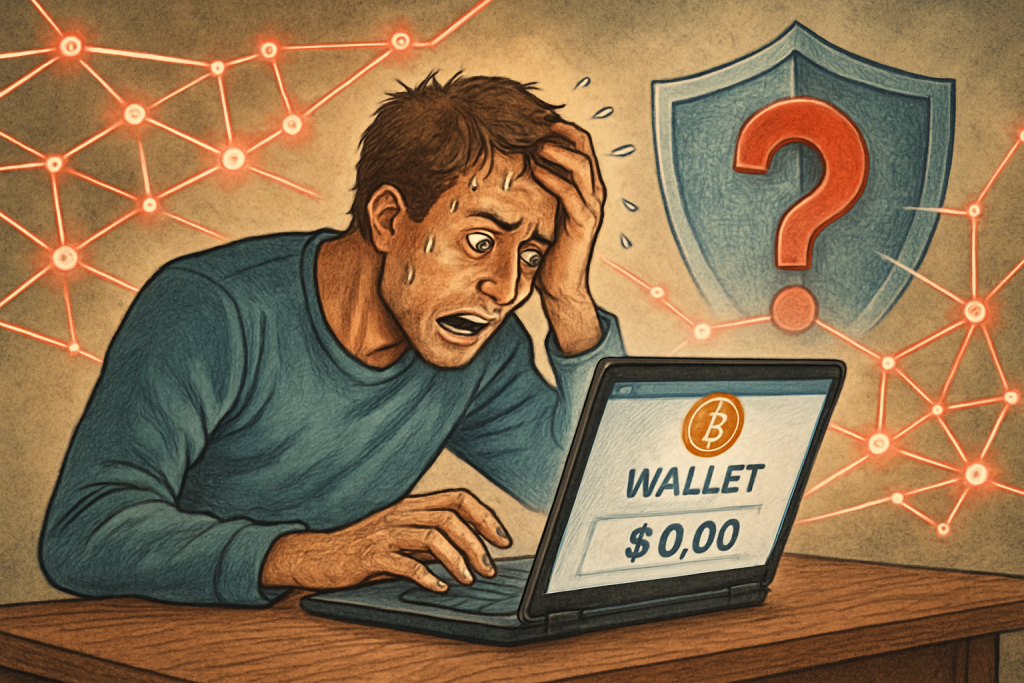
Immediate Steps to Take After Cryptocurrency Theft
1. Identify the Source and Details of the Theft
- Review Your Transactions: Check your wallet and exchange transaction history. Look for unauthorized transactions, noting the exact time, amount, and destination address.
- Examine Your Devices and Accounts: Did you click on a suspicious link? Download any unknown software? Has your email or exchange account been compromised?
- Document Everything: Create a detailed log of all relevant information: dates, times, transaction IDs, wallet addresses involved (yours and the thief’s), screenshots, communication with scammers, and any other evidence. This documentation will be vital for reporting the crime and any potential recovery efforts.
2. Isolate Compromised Assets and Accounts
- Move Remaining Funds: If any funds remain in a compromised wallet or exchange account, transfer them immediately to a new, secure wallet (preferably a hardware wallet).
- Change Passwords and Enable 2FA: Update all passwords for crypto exchanges, wallets, email accounts, and any other linked services. Ensure you use strong, unique passwords and enable two-factor authentication (2FA) using an authenticator app, not SMS.
- Revoke API Keys: If you used API keys for trading bots or other services, revoke them immediately, especially if the keys had withdrawal permissions.
3. Report the Theft
- Contact the Platform/Exchange: If the theft occurred on an exchange or a specific DeFi platform, report it to their support team immediately. Provide all documented evidence. They might be able to freeze accounts or provide crucial transaction data.
- File a Police Report: This is a crucial step for establishing a legal record of the crime. Provide all the evidence you’ve gathered. Emphasize that digital assets were stolen. Obtaining a police report number is often required for insurance claims or further legal action.
- Report to Cybercrime Authorities: Many countries have dedicated cybercrime units.
Leveraging Blockchain Forensics and Tracing
One of the unique aspects of cryptocurrency is the transparency of the blockchain. While transactions are pseudonymous, they are publicly visible. This transparency allows for blockchain forensics, a specialized field dedicated to tracing stolen funds.
“Blockchain forensics provides the digital breadcrumbs needed to pursue stolen assets, turning anonymity into accountability.”
For more insights into cutting-edge technologies that can assist in identity verification, which is often a key component in tracing cybercriminals, you might want to read about 4 cutting-edge technologies changing digital identity verification.
Legal Avenues for Cryptocurrency Recovery
While the decentralized nature of crypto presents challenges, legal systems are evolving to address digital asset theft. How to recover stolen cryptocurrency through legal means is becoming more feasible in 2025.
Working with Cryptocurrency Recovery Services
A growing industry of specialized cryptocurrency recovery services has emerged. These firms offer expertise in blockchain forensics, legal strategies, and liaison with law enforcement.
For more information on staying safe online and identifying fraudulent websites, consider reviewing resources like beware of online scams: protect yourself with a scam website checker.
Prevention is the Best Medicine: Protecting Your Crypto in 2025
While this guide focuses on how to recover stolen cryptocurrency, the most effective strategy is to prevent theft in the first place.
Understanding a historical perspective on the rise of cryptocurrency can provide context for the evolving security landscape. For those considering the security implications of keeping assets on exchanges, it’s also worth asking are your cryptocurrencies insured: here’s the truth.
The Evolving Role of AI and Advanced Technologies in Recovery
In 2025, artificial intelligence and machine learning are increasingly playing a role in both perpetrating and preventing crypto crimes, as well as aiding in recovery. AI-powered tools can analyze vast amounts of blockchain data faster than humans, identifying patterns of illicit activity, tracking funds through mixers, and even predicting potential attack vectors.
Related Posts:






For more on the broader applications of AI, consider exploring 7 big benefits of using AI in business.
Conclusion
The journey of how to recover stolen cryptocurrency is undeniably challenging, requiring persistence, technical understanding, and often, professional assistance. In 2025, while the immutable nature of blockchain transactions still poses significant hurdles, advancements in blockchain forensics, evolving legal frameworks, and the increasing sophistication of recovery services offer a tangible path forward for victims.
Frequently Asked Questions About Crypto Recovery
How to Recover Stolen Cryptocurrency: Step-by-Step Guide
Immediately Isolate & Secure Remaining Assets
As soon as you detect a theft, transfer any remaining cryptocurrency from the compromised wallet or exchange account to a new, secure wallet (ideally a hardware wallet). Change all related passwords and enable stronger two-factor authentication (2FA) on all your crypto accounts, emails, and linked services.
Document Everything Meticulously
Gather all possible evidence: transaction IDs of stolen funds, exact dates and times, wallet addresses involved (your compromised one and the thief’s), screenshots of conversations, phishing attempts, or suspicious activity. This detailed record is vital for all subsequent steps.
Report the Theft to Exchanges and Authorities
Contact the support team of any compromised exchanges or platforms immediately with your evidence. Simultaneously, file a police report with local law enforcement and report the crime to your national cybercrime unit (e.g., FBI IC3 in the US, Action Fraud in the UK).
Engage Blockchain Forensic Experts (for substantial losses)
For significant amounts of stolen crypto, consider hiring a reputable blockchain forensics firm. They can trace the stolen funds across the blockchain, identify their movement through mixers or exchanges, and provide expert reports crucial for legal action and law enforcement investigations.
Consult with Legal Professionals
Seek advice from a lawyer specializing in cryptocurrency and cybercrime. They can assess your case, advise on potential civil litigation, assist with international legal challenges, and help obtain court orders (like freezing orders) to seize identified stolen assets.
Key Terms in Cryptocurrency Recovery
Blockchain Forensics
The specialized field of analyzing public blockchain transactions to trace the flow of cryptocurrency, identify patterns of illicit activity, and gather evidence for investigations and legal proceedings.
Seed Phrase (Recovery Phrase)
A series of 12 or 24 words that serves as the master key to your cryptocurrency wallet. Anyone with your seed phrase can access and control your funds, making its security paramount.
Hardware Wallet
A physical electronic device designed to store the private keys for cryptocurrencies offline, providing a high level of security against online threats like malware and phishing.
Phishing
A type of cyberattack where scammers attempt to trick individuals into revealing sensitive information (like private keys, passwords, or seed phrases) by impersonating a trustworthy entity through deceptive emails, websites, or messages.
Rug Pull
A malicious maneuver in the cryptocurrency industry where developers abandon a project and run away with investors’ funds, typically by liquidating all liquidity pool tokens after attracting significant investment.


1 comment
FOR CRYPTOCURRENCY RECOVERY, CONTACT TSUTOMU SHIMOMURA
This is the best crypto recovery company I’ve come across, and I’m here to tell you about it. TSUTOMU SHIMOMURA HACKER was able to 5:15 PM 30/10/2024 REGHWGHBHH recover my crypto cash from my crypto investment platform’s locked account. TSUTOMU SHIMOMURA HACKER just needed 24HRS to restore the $620,000 I had lost in cryptocurrencies. I sincerely appreciate their assistance and competent service. TSUTOMU SHIMOMURA HACKER may be relied on since they are dependable and trustworthy. you can also contact them via Email: tsutomu [email protected] or WhatsApp via: +12569564498, or Telegram @TsutomuShimomurahacker, and I’m sure you will be happy you did.