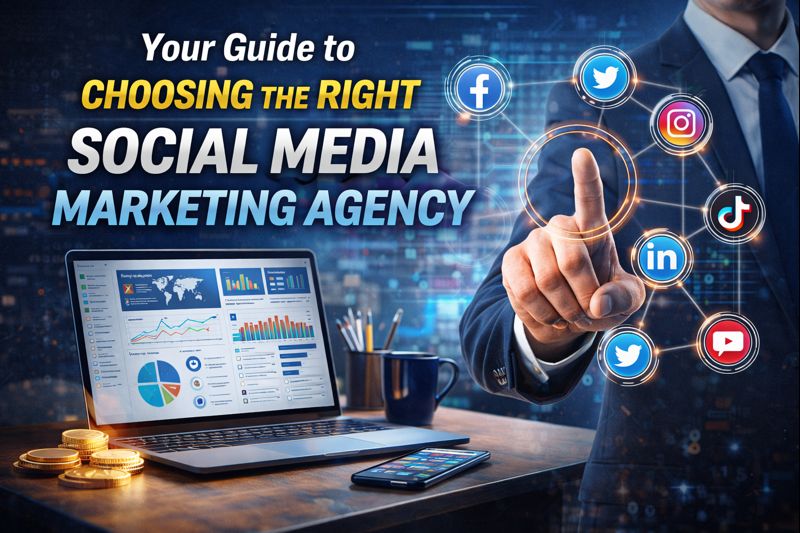
Your Guide to Choosing the Right Social Media Marketing Agency in 2026
In today’s fast-moving world of online advertising, things can change in the blink of an eye. Just when you thought you had Facebook figured out, it went and became Meta, shaking up the whole social media scene. And if that wasn’t enough, the rules of the game are always shifting, making it tough to keep up. So, what does this mean for you and your brand? Don’t worry, because we’re here to help you navigate through the chaos by finding the right team to help you do it! The digital landscape of 2026 demands more than just a presence; it requires strategic engagement, insightful analytics, and a dynamic approach to connect with your audience. This comprehensive guide will walk you through everything you need to know about selecting the ideal Social Media Marketing Agency to elevate your brand’s online performance.
Key Takeaways
Define Your Goals Clearly: Before engaging a social media marketing agency, pinpoint your specific objectives (e.g., brand awareness, lead generation, sales) and budget.
Research and Evaluate Agencies: Thoroughly vet potential agencies by reviewing their portfolios, case studies, client testimonials, and industry experience.
Prioritize Communication and Fit: A strong partnership hinges on transparent communication and a cultural alignment between your business and the agency.
Understand Platform Expertise: Different agencies specialize in various platforms. Ensure your chosen agency has proven success on the social media channels most relevant to your target audience.
Leverage Data and Analytics: A top-tier agency will focus on data-driven strategies, providing clear reporting and demonstrating measurable ROI for your campaigns.
Why Do People Use Social Media?
The number of social media users in the US is said to increase by 22 million users in the next 5 years [1]. One thing’s for sure, social media is here to stay!
Now, let’s look at these hypothetical scenarios where social media is used today:
Connect with Friends and Family: Sarah, who lives in New York City, uses Facebook to keep in touch with her family back in California. She regularly shares updates about her life and sees what her siblings are up to through their posts and messages.
Share Moments and Memories: Alex recently got engaged and posted a picture of the proposal on Instagram to share the exciting news with friends and family. The photo quickly garnered likes and comments from loved ones celebrating the happy moment with him and his partner.
Discover New Information and Trends: Jake follows his favorite news outlets and blogs on Twitter to stay updated on current events. He often comes across interesting articles and news stories shared by people in his network, helping him stay informed about what’s happening in the world.
Entertainment and Distraction: After a long day at work, Emily likes to unwind by scrolling through funny videos and memes on TikTok. She finds herself laughing out loud at the hilarious content, providing a welcome break from the stress of the day. For more on digital distractions, you might explore how AI chatbots in 2025 are smarter, faster, friendlier.
Networking and Professional Opportunities: Lisa recently graduated from college and is looking for job opportunities in marketing. She regularly updates her LinkedIn profile with her skills and experiences and connects with professionals in her industry. Through LinkedIn Outreach, she discovers job openings and connects with recruiters who help her land interviews.
Express Themselves: James is passionate about photography and uses Instagram to showcase his work. He regularly posts photos he’s taken, experimenting with different styles and techniques to express his creativity and share his love for photography with others.
Find Support and Community: After being diagnosed with a rare medical condition, Maya joins a Facebook support group where she connects with others who are going through similar experiences. She finds comfort in sharing her journey, asking questions, and receiving support and encouragement from the group members.
Stay Informed and Educated: John is interested in learning more about sustainable living practices. He follows environmental organizations and experts on Instagram and regularly comes across informative posts and videos that educate him about ways to reduce his carbon footprint and live more sustainably.
These real-life scenarios highlight how people use social media for various purposes, from staying connected with loved ones to finding information, entertainment, and support.
Depending on your business type, you can leverage each user’s intention for your business goals!
What are the Top Social Media Apps Today?
Understanding the leading platforms is crucial when selecting a Social Media Marketing Agency. Each platform offers unique opportunities and caters to different demographics and content types.
1. Facebook (Meta)
Features: Facebook remains one of the most widely used social media platforms globally, offering features such as posting updates, sharing photos and videos, joining groups, and messaging friends. It also provides robust advertising options for businesses, including detailed targeting and retargeting capabilities.
Key Points: With a user base spanning various demographics, Facebook caters to a wide audience, including both younger and older generations. Its algorithm prioritizes content based on user engagement, making it quite important for businesses to create engaging posts. Meta’s continuous evolution, including the metaverse initiatives, indicates its long-term relevance.
Demographics: While it initially gained popularity among college students, Facebook now has a diverse user base, with a significant presence among adults of all ages, making it a powerful tool for broad reach.
2. Instagram (Meta)
Features: Instagram is a photo and video-sharing platform known for its visually appealing content. Users can post photos/videos, share Stories, Reels, explore content through hashtags, and engage with others through likes, comments, and direct messages. Its shopping features have also become increasingly prominent.
Key Points: Instagram’s emphasis on visual content makes it a powerful tool for businesses, particularly those in industries like fashion, travel, food, and lifestyle. Its Stories and Reels features provide a more casual and ephemeral way to share content, while the Explore page helps users discover new accounts and content.
Demographics: Roughly, half of adults in the US claim to use this popular app [2]? But Instagram has a rather younger user base compared to its parent platform Facebook, with a significant presence among Millennials and Gen Z users.
3. X (formerly Twitter)
Features: X is a platform where users can post short updates (tweets), share links, photos, and videos, and engage in conversations through likes, reposts, and replies. It also offers Spaces for audio conversations and various subscription features.
Key Points: X is known for its real-time nature, making it ideal for sharing breaking news, engaging in discussions on trending topics, and networking with professionals. Its concise format encourages impactful communication, and it’s a critical channel for crisis management and customer service.
Demographics: X’s user base consists of a diverse range of individuals, including journalists, celebrities, politicians, and everyday users seeking to share their thoughts and opinions. It’s a key platform for public discourse and staying abreast of current events.
4. LinkedIn
Features: LinkedIn is a professional networking platform designed for career development, networking, and business connections. Users can create profiles highlighting their skills and experiences, connect with other professionals, join groups, publish articles, and access job listings.
Key Points: LinkedIn is a valuable tool for professionals seeking job opportunities, building their personal brand, and networking with industry peers. Its emphasis on professional content makes it an ideal platform for thought leadership, B2B marketing, and seeking industry insights. Businesses can use it for lead generation and recruitment.
Demographics: LinkedIn’s user base primarily consists of working professionals, job seekers, recruiters, and businesses across various industries, making it indispensable for B2B marketing strategies.
5. TikTok
Features: TikTok is a short-form video platform where users can create and share videos ranging from 15 seconds to several minutes in length. It offers a vast array of editing tools, effects, and music options to enhance videos, fostering creativity and virality.
Key Points: TikTok has surged in popularity, particularly among younger users, for its engaging and entertaining content. Its algorithm-driven “For You” page provides personalized content recommendations based on user preferences and engagement, making content discovery highly effective. This platform is a powerhouse for viral marketing and trend-spotting.
Demographics: TikTok’s user base skews towards younger demographics, with a significant presence among Gen Z and Millennial users, though its reach is expanding across older age groups as well.
How to Find the Right Social Media Marketing Agency for Your Business
Finding the right social media marketing agency for you can be a game-changer in your online presence and brand growth. The competitive landscape of 2026 demands a strategic partner, not just a service provider.
1.
Define Your Goals and Budget
Before you start searching for an agency, outline your goals for social media marketing. Are you looking to increase brand awareness, drive website traffic, generate leads, or boost sales? Define clear, measurable objectives to guide your search. For instance, do you need help with a product launch, or are you aiming for sustained community growth? Establish a specific budget for your social media marketing efforts. Consider factors like your business size, the complexity of your campaigns, and the level of expertise you require. Be realistic about what you can achieve within your budget and be transparent with potential agencies.
2.
Research and Shortlist Agencies
Conduct thorough research and look for agencies with a strong track record of success, positive client testimonials, and relevant experience in your industry. Online reviews and industry publications can be valuable resources. You might also want to look into how businesses are leveraging AI in May 2025 for breakthroughs and big announcements within their marketing strategies. Consider factors such as agency size, location (though remote agencies are increasingly common and effective), expertise in specific platforms (e.g., Facebook, Instagram, LinkedIn), and the kinds of services offered (e.g., content creation, advertising, analytics, influencer marketing, community management). Does the agency specialize in organic growth or paid campaigns, or both?
3.
Review Portfolios and Case Studies
Review the portfolios and case studies of those shortlisted agencies to assess the quality of their work and their ability to deliver results. Look for examples of successful campaigns, creative content, and measurable outcomes such as increased engagement rates, website traffic, or conversions. Pay attention to whether the agency has experience working with businesses like yours and achieving goals similar to what you aim to achieve. A strong case study should clearly articulate the client’s challenge, the agency’s strategy, and the quantifiable results achieved.
Communication is critical to a successful partnership with a Social Media Marketing Agency. Evaluate how responsive and transparent the agency is in its communication. Do they provide regular updates? Are they proactive in addressing potential issues? Schedule initial consultations or meetings with prospective agencies to discuss your goals, expectations, and any questions or concerns you may have. Assess how well they understand your business and whether they offer personalized strategies tailored to your needs, rather than a one-size-fits-all approach. Strong collaboration ensures that your brand voice is consistently maintained across all platforms.
5.
Consider Culture Fit and Values
Consider the cultural fit between your business and the agency. Look for shared values, alignment in work ethic, and a collaborative mindset. A good cultural fit can lead to a more harmonious and productive long-term partnership. Evaluate whether the agency’s approach to social media marketing aligns with your brand’s identity, tone of voice, and values. A cohesive partnership will ensure consistency and authenticity in your online presence, which is crucial for building trust with your audience.
6.
Request Proposals and Quotes
Request detailed proposals and quotes from the agencies that best match your criteria. Review the proposed strategies, deliverables, timelines, reporting mechanisms, and pricing structures. Ensure all costs are clearly outlined, with no hidden fees. Compare the offerings of each agency and consider factors such as the level of expertise, the comprehensiveness of services, and the estimated return on investment (ROI). Don’t just compare prices; compare value. A lower price doesn’t always mean better value if the results are subpar.
7.
Seek References and Reviews
Don’t hesitate to ask for references from past or current clients of the agency. Reach out to these references to gain some insights into their experiences working with the respective agency. Ask specific questions about communication, results, and overall satisfaction. Read online reviews plus testimonials on independent platforms to gather feedback from other clients and assess the agency’s reputation and reliability. This due diligence is critical before making a final decision.
The Evolving Role of a Social Media Marketing Agency in 2026
The landscape of social media is constantly evolving. In 2026, a top-tier Social Media Marketing Agency does more than just post content; it anticipates trends, integrates new technologies, and refines strategies based on real-time data. For example, the rise of AI has significantly impacted content creation and analytics. Agencies are now leveraging tools like AI content generators to enhance creativity and efficiency.
A crucial aspect for any modern agency is the ability to adapt to new features and algorithms. Platforms like TikTok continuously introduce new video formats and engagement mechanics, requiring agencies to stay agile and innovative. Similarly, the integration of shopping features across platforms like Instagram and Facebook means that a strong agency will have expertise in social commerce, turning engagement directly into sales.
Furthermore, data privacy and ethical considerations are paramount in 2026. A reputable Social Media Marketing Agency will be well-versed in data protection regulations and ensure that all campaigns are compliant and ethically sound. They will also be transparent about data collection and usage, building trust with both clients and their audience.
Specialized Services a Social Media Marketing Agency Offers
Beyond the core services, a specialized Social Media Marketing Agency might offer:
Influencer Marketing: Connecting your brand with relevant influencers to amplify your message and reach new audiences.
Community Management: Actively engaging with your audience, responding to comments, and fostering a loyal community around your brand.
Social Listening: Monitoring social media conversations to understand brand perception, track competitors, and identify emerging trends.
Paid Social Advertising: Developing and managing highly targeted ad campaigns across platforms to maximize ROI. This includes expertise in everything from Facebook Ads to LinkedIn advertising.
Content Strategy & Creation: Crafting compelling visual and written content tailored to each platform and your brand’s voice. This often involves graphic design, video production, and copywriting.
Analytics and Reporting: Providing in-depth analysis of campaign performance, offering actionable insights, and demonstrating clear ROI. They should be able to translate complex data into understandable reports that align with your business objectives.
The depth of these services can vary significantly from one agency to another. When choosing a Social Media Marketing Agency, consider which of these specialized services are most critical for your business objectives in 2026.
The Importance of Analytics and Reporting
In 2026, data is king. A proficient Social Media Marketing Agency will not just run campaigns but will also meticulously track their performance. This involves:
Key Performance Indicators (KPIs): Defining and tracking relevant KPIs such as reach, engagement rate, click-through rate (CTR), conversion rate, and return on ad spend (ROAS).
Regular Reporting: Providing consistent, easy-to-understand reports that highlight progress, challenges, and future strategies. These reports should clearly link social media efforts to your overall business goals.
A/B Testing: Continuously testing different ad creatives, copy, and targeting parameters to optimize campaign performance and achieve better results.
Competitive Analysis: Monitoring competitors’ social media strategies to identify opportunities and stay ahead of the curve.
Audience Insights: Utilizing social media data to gain deeper insights into your target audience’s demographics, interests, and behaviors, allowing for more precise targeting and messaging.
Without robust analytics and transparent reporting, it’s impossible to truly understand the impact of your social media investments. Ensure your chosen Social Media Marketing Agency prioritizes a data-driven approach.
“In 2026, a brand’s social media presence isn’t just about sharing; it’s about strategically listening, adapting, and converting. A great social media marketing agency acts as your brand’s digital compass, navigating the ever-changing online currents.”
Maximizing Your Social Media Marketing: Finding the Perfect Partner
By following the steps outlined above, you can navigate the process of selecting a Social Media Marketing Agency with confidence, ensuring that you find an agency that aligns with your objectives, values, and budget. The right partnership in 2026 will not only streamline your social media efforts but will also significantly boost your brand’s visibility and bottom line.
With our dedication, we’re committed to helping you unlock your brand’s full social media potential. Whether you’re looking to increase brand awareness, drive engagement, or boost sales, our team is here to support you every step of the way. We understand the nuances of each platform and the ever-shifting digital trends, ensuring your strategy remains cutting-edge and effective.
Choose Azarian Growth Agency as your trusty partner in maximizing your social media marketing efforts, and let’s grow and succeed together! Your journey to impactful social media presence begins with a strategic choice, and in 2026, that choice can define your market position.
Conclusion
Choosing the right Social Media Marketing Agency in 2026 is a critical decision that can profoundly impact your brand’s digital success. It’s not merely about outsourcing tasks; it’s about forming a strategic partnership that understands your vision, aligns with your goals, and possesses the expertise to navigate the complex and dynamic social media landscape. By meticulously defining your objectives, conducting thorough research, evaluating portfolios and communication styles, and ensuring a strong cultural fit, you set the foundation for a highly effective collaboration. Remember to prioritize agencies that demonstrate a data-driven approach, offer transparent reporting, and continuously adapt to new technologies and platform changes. The investment in a skilled agency will translate into enhanced brand visibility, deeper customer engagement, and ultimately, measurable business growth in the competitive market of 2026. Take these actionable steps, and you’ll be well-equipped to find the perfect social media partner to elevate your brand.
Frequently Asked Questions about Social Media Marketing Agencies
What should be my first step before choosing a Social Media Marketing Agency?
Your first step should be to clearly define your goals and budget. Outline measurable objectives like increasing brand awareness, driving website traffic, generating leads, or boosting sales, and establish a specific budget for these efforts.
Why is it important to review an agency’s portfolio and case studies?
Reviewing an agency’s portfolio and case studies allows you to assess the quality of their past work and their ability to deliver measurable results. Look for successful campaigns, creative content, and outcomes similar to what you aim to achieve for your business.
How important is communication when working with a Social Media Marketing Agency?
Communication is critical. A successful partnership relies on responsive, transparent, and proactive communication. Ensure the agency understands your business, offers personalized strategies, and keeps you regularly updated on progress and challenges.
What are the top social media apps in 2026 that businesses should consider?
In 2026, the top social media apps for businesses include Facebook (Meta), Instagram (Meta), X (formerly Twitter), LinkedIn, and TikTok. Each offers unique features and caters to different demographics, making strategic platform selection crucial.
Key Social Media Marketing Terms Defined
Social Media Marketing Agency
A company specializing in helping businesses promote their products or services on social media platforms through strategic content creation, advertising, community management, and analytics.
Brand Awareness
The extent to which consumers are familiar with the distinctive qualities or image of a particular brand of goods or services.
Lead Generation
The process of attracting and converting strangers and prospects into someone who has indicated interest in your company’s product or service.
ROI (Return on Investment)
A performance measure used to evaluate the efficiency of an investment or to compare the efficiency of a number of different investments. In social media, it measures the benefits (e.g., sales, leads) relative to the costs of a campaign.
KPI (Key Performance Indicator)
A measurable value that demonstrates how effectively a company is achieving key business objectives. In social media, examples include engagement rate, reach, and conversion rate.
Marcin Wieclaw, the founder and administrator of PC Site since 2019, is a dedicated technology writer and enthusiast. With a passion for the latest developments in the tech world, Marcin has crafted PC Site into a trusted resource for technology insights. His expertise and commitment to demystifying complex technology topics have made the website a favored destination for both tech aficionados and professionals seeking to stay informed.