
Table of Contents
How Edge Computing is Shaping Investment Opportunities
How Edge Computing is Shaping Investment Opportunities
Investment-Focused Q&A on Edge Computing
What are the primary drivers for investing in edge computing in 2026?
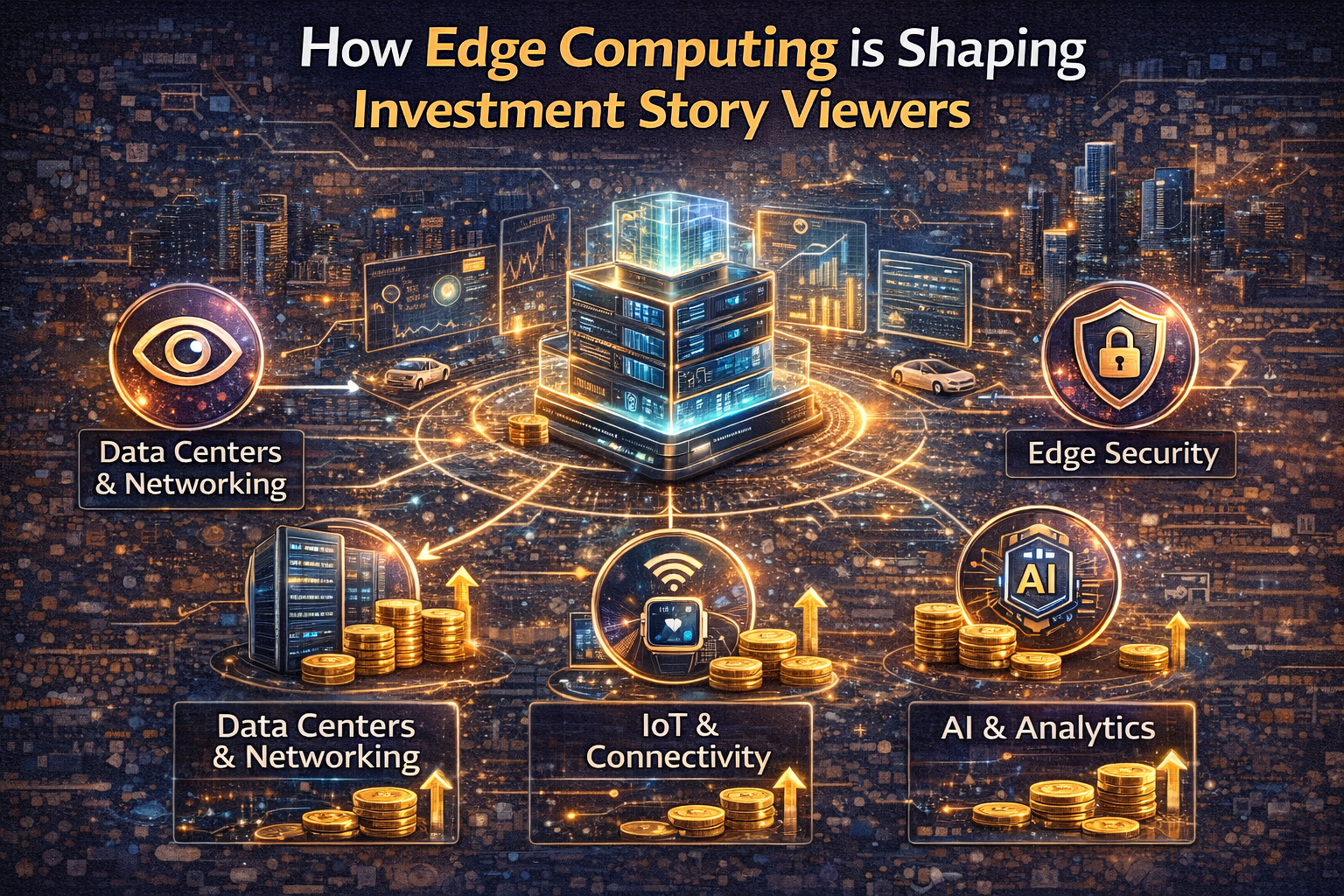
The primary drivers for investing in edge computing in 2026 include the escalating demand for real-time data processing, the proliferation of IoT devices, the rollout of 5G networks, and the need for reduced latency in critical applications across industries like autonomous vehicles and smart manufacturing.
You can also look at Technology Finance for a more focused take on the software side of the topic.
Which industries offer the most lucrative investment prospects due to edge computing?
Industries offering the most lucrative investment prospects due to edge computing include automotive (especially autonomous vehicles), healthcare (real-time patient monitoring), manufacturing (predictive maintenance), retail (personalized experiences), and smart cities (infrastructure management).
What are the key technological trends enhancing edge computing’s investment appeal?
Key technological trends enhancing edge computing’s investment appeal include advancements in Edge AI for on-device intelligence, improved hardware (processors, sensors), sophisticated software orchestration platforms, and enhanced security measures, all supported by 5G connectivity.
What are the main risks associated with investing in edge computing companies?
The main risks associated with investing in edge computing companies involve navigating complex regulatory environments (e.g., data privacy laws like GDPR), mitigating significant security concerns due to distributed data processing, intense competition from cloud giants, and the rapid pace of technological change.
Market Dynamics: Edge Computing Driving Innovation
The technological landscape is experiencing a seismic shift, and at its epicenter lies **edge computing**, a transformative force redefining how data is processed, managed, and utilized. This paradigm shift, where computation moves closer to the data source, isn’t just an engineering marvel; it’s a fertile ground for unprecedented investment opportunities that promise more effective operations and significant financial returns. As businesses across every sector accelerate their adoption of edge technologies, smart investors are seizing the chance to benefit from this groundbreaking trend, positioning themselves at the forefront of the next wave of digital evolution in 2026. For those looking to explore cutting-edge investment opportunities in the technology sector, platforms like https://agavecoin.io provide valuable insights and resources.
Analyzing Current Market Trends
Edge computing is revolutionizing data processing and management methods. Unlike cloud computing, which depends on centralized data centers, edge computing handles data closer to its source, significantly reducing delays and enhancing overall efficiency. The edge computing market has experienced explosive growth due to the escalating demand for rapid data processing and instantaneous analytics. Companies in a multitude of sectors are enthusiastically embracing edge solutions to maintain their competitiveness and innovate within their respective domains. In 2026, this trend is accelerating as organizations recognize the tangible benefits of reduced latency and increased autonomy for their distributed operations.
Role of Edge Computing in Advancing Technology
Edge computing plays a pivotal role in advancing technology by facilitating the rapid expansion of Internet of Things (IoT) devices, allowing them to process data locally. This crucial capability enables advanced applications like autonomous vehicles, smart city infrastructure, and industrial automation to operate effectively and reliably. The reduced latency and increased processing capabilities offered by edge computing are not merely incremental improvements; they are fundamentally expanding the possibilities of these technologies, pushing the boundaries of what is achievable in real-time environments. 🚀
Impact on Diverse Industries
The influence of edge computing extends profoundly across industries, acting as a catalyst for innovation and efficiency.
Related Posts:





- Healthcare Sector: Real-time patient monitoring, quicker diagnostics, and remote surgical assistance are made possible, transforming patient care.
- Manufacturing: Predictive maintenance, instantaneous quality control, and optimized robot operations are supported, leading to significant cost savings and improved productivity.
- Retail Businesses: Edge computing is utilized to create personalized customer experiences, manage inventory effectively, and optimize supply chains, enhancing profitability and customer loyalty.
- Automotive: Autonomous vehicles rely heavily on edge computing for immediate decision-making based on sensor data, ensuring safety and performance.
- Smart Cities: Managing traffic flow, public safety surveillance, and utility grid optimization all benefit from localized data processing at the edge.
Each industry is strategically using edge technology to streamline operations, cut costs, and enhance service delivery, creating a vast landscape for specialized investment opportunities.
Investment Outlook: Identifying Lucrative Prospects in Edge Computing
Understanding how edge computing is shaping investment opportunities requires a keen eye on the sectors and companies driving this technological revolution. The potential for growth and significant returns is compelling.
Key Industries Benefiting from Edge Computing
Industries are not just *adopting* edge computing; they are *reaping the rewards*. The automotive sector, particularly focused on autonomous vehicles, serves as a prime example. These vehicles rely on real-time data processing for efficient functioning, making edge computing an indispensable core technology. Likewise, the healthcare field utilizes edge computing for critical patient monitoring, remote diagnostics, and telemedicine services, improving outcomes and accessibility. Industries like retail continue to benefit immensely from enhanced customer experiences and efficient inventory management through this technology. Energy grids, agriculture, and logistics are also witnessing profound transformations, presenting diverse investment avenues.
Leading Companies and Startups Pioneering the Way
Companies are at the forefront of driving innovation in edge computing. Tech giants such as Microsoft (Azure Edge), Amazon (AWS Outposts, AWS Wavelength), and Google (Google Cloud Anthos) are actively developing robust edge solutions, integrating them deeply with their existing cloud ecosystems. Beyond these behemoths, innovative startups like FogHorn Systems (industrial edge AI), EdgeIQ (edge device orchestration), and Mutable (edge cloud platform) are also making significant advancements in this specialized area of technology. These companies play a crucial role in advancing and promoting the widespread adoption of edge technologies, presenting investors with a spectrum of opportunities, from established market leaders to high-growth disruptors.
Emerging Growth Potential for Edge Computing
As digital infrastructures in developing markets progress, the need for localized edge solutions is expected to rise exponentially. Regions such as Asia Pacific, Latin America, and parts of Africa are witnessing rapid technological advancements and increasing internet penetration, making them particularly attractive for investments in edge computing infrastructure and services. Investors should closely monitor these emerging regions for nascent opportunities, as early movers often capture substantial market share. The localized nature of edge computing makes it uniquely suited for these markets, where centralized cloud infrastructure might be less developed or cost-hibitive for certain applications.
Technological Advancements: The Foundation of Edge Computing
At its core, how edge computing is shaping investment opportunities is intrinsically linked to the relentless pace of technological innovation that underpins it.
Key Technologies Supporting Edge Computing (e.g., IoT, AI, 5G)
Edge computing relies on a powerful confluence of synergistic technologies. The widespread use of Internet of Things (IoT) devices is a primary catalyst, as these devices generate vast volumes of data that require quick, localized processing. Artificial intelligence (AI) plays a critical role in enabling real-time data analysis, pattern recognition, and decision-making directly at the edge, reducing reliance on back-and-forth communication with centralized cloud servers. The deployment of 5G networks is another pivotal supporting factor, delivering the high-speed, low-latency connectivity essential for transmitting processed data and managing edge devices effectively. This trifecta creates a robust ecosystem for edge computing’s continued expansion.
Significance of Hardware and Software Progress
Advancements in hardware and software are indispensable for the continuous evolution and widespread adoption of edge computing. On the hardware front, enhancements in specialized processors (like GPUs and NPUs optimized for AI at the edge), miniaturized sensors, and energy-efficient storage solutions enable more powerful data processing and storage capabilities directly on edge devices. In terms of software, new algorithms, containerization technologies (e.g., Kubernetes for edge), and specialized platforms are being created to efficiently manage, orchestrate, and analyze data at the edge. These progressions enhance the capabilities, accessibility, and scalability of edge computing solutions, making them more attractive for investment.
Noteworthy Innovations and Trends to Keep an Eye On
There are several groundbreaking developments taking place in the dynamic field of edge computing that investors should monitor closely in 2026.
- Edge AI: This innovation empowers sophisticated data analysis, machine learning inference, and even model training directly on edge devices, enabling autonomous decision-making without constant cloud connectivity.
- Edge Analytics: This allows businesses to extract actionable insights from data in real-time at the point of origin, without depending on laborious and latency-prone cloud processing.
- Fog Computing: A concept closely related to edge, fog computing extends the cloud closer to the edge, creating a distributed computing infrastructure that bridges the gap between edge devices and the central cloud.
- Security and Privacy Enhancements: Ongoing advancements in cryptographic techniques, secure hardware enclaves, and distributed ledger technologies are enhancing the safety and reliability of edge computing, addressing critical concerns.
- Serverless Edge: The ability to run serverless functions directly on edge nodes is simplifying development and deployment of edge applications.
Investors should monitor these emerging trends closely, as they represent the next frontier of growth and innovation within the edge computing ecosystem.
Economic Implications: Understanding the Financial Impact of Edge Computing
The economic underpinnings of how edge computing is shaping investment opportunities are compelling, offering clear cost benefits and promising long-term returns.
Cost-Benefit Analysis for Companies Embracing Edge Computing
The adoption of edge computing can deliver significant cost advantages for companies. By processing data closer to its source, businesses can substantially reduce their reliance on expensive cloud storage and bandwidth, thus lowering operational expenses related to data transmission and egress fees. Moreover, the capability to analyze data instantly can dramatically enhance real-time decision-making, optimize resource allocation, and improve overall operational efficiency, resulting in tangible cost reductions and increased revenue opportunities. This localized processing also provides resilience in areas with unreliable internet connectivity.
Financial Benefits Compared to Traditional Computing Models
Edge computing presents clear financial benefits over conventional centralized cloud computing models, particularly for specific use cases.
- Reduced Latency: It significantly diminishes latency, enabling faster response times and enhanced performance – an absolutely critical aspect for applications that demand real-time data processing (e.g., autonomous systems, high-frequency trading). This leads to better user experiences and more efficient machine operations.
- Lower Bandwidth Costs: Edge computing can drastically cut down on data transfer expenses by minimizing the volume of raw data transmitted to central servers; only aggregated or critical data needs to be sent to the cloud.
- Enhanced Reliability: By decoupling operations from continuous cloud connectivity, edge solutions offer greater resilience in environments where network availability is intermittent or unreliable.
- Improved Security: Distributing data processing can reduce the attack surface area of a centralized system, and by keeping sensitive data local, it can better comply with data residency requirements.
These advantages position edge computing as an increasingly attractive and cost-effective solution for a growing number of businesses, driving further investment.
Projected Long-Term Financial Performance and Return on Investment
The future financial prospects for edge computing appear profoundly promising. As edge solutions become more prevalent and sophisticated across industries, there is a strong expectation of significant market growth, projected to be in the double-digits annually for the foreseeable future. This expansion is poised to create abundant investment opportunities and promising returns for businesses that develop, deploy, and leverage edge technologies. Those who choose to strategically invest in edge computing in 2026 can anticipate substantial profits as the technology gains wider acceptance and plays an increasingly integral role in daily operations and strategic business initiatives. The ROI is not just theoretical; early adopters are already demonstrating its value. When it comes to security matters in the realm of edge computing, there are critical considerations to address.
Navigating Regulatory and Security Landscapes
Overview of Regulatory Challenges and Compliance
Edge computing encounters complex regulatory hurdles, particularly concerning stringent data privacy laws like the GDPR in Europe, CCPA in California, and other emerging global regulations that demand meticulous handling of personal information. Adhering to these diverse and often evolving regulations is paramount for companies embracing edge solutions. While understanding and navigating these rules may pose complexities, doing so is crucial for sidestepping legal complications, avoiding hefty fines, and upholding customer trust. Investors must scrutinize a company’s compliance strategy as part of their due diligence.
Security Concerns and Mitigation Strategies
Security stands out as a paramount concern within the realm of edge computing. Given that data processing often occurs in distributed, potentially less controlled environments at its origin, the vulnerability to breaches, cyber threats, and physical tampering increases substantially. To counteract these risks effectively, businesses must implement robust security protocols that encompass: encryption, strong access controls, regular security audits and updates, secure boot and hardware-level security, anomaly detection, and physical security measures. Safeguarding the integrity of both edge devices and networks plays a critical role in fortifying defenses against data breaches and maintaining operational continuity.
The Role of Data Privacy in Edge Computing Investments
For investors delving into edge computing ventures, safeguarding data privacy is an absolutely critical consideration. Ensuring that edge solutions align with global data privacy regulations is not just a legal obligation but also imperative for preserving investment value and reputation. Businesses that prioritize the protection of data privacy and security are more likely to earn the trust of customers, avoid costly legal battles, and build sustainable business models. Investors are strongly advised to seek out companies with transparent data privacy measures, robust security frameworks, and solid compliance records, as these factors directly impact long-term viability and growth potential.
Strategic Insights for Investment: Building a Successful Portfolio in Edge Computing
To truly capitalize on how edge computing is shaping investment opportunities, a strategic and informed approach is essential.
How To Invest Wisely in Edge Computing
Research Market Potential
Thoroughly investigate the total addressable market for edge computing and identify specific high-growth niches. Look at industry reports and analyst forecasts for 2026.
Evaluate Technological Prowess
Assess the innovation, differentiation, and scalability of a company’s edge technology solutions. Understand how their offerings stand out from competitors.
Analyze Company Performance and Leadership
Examine financial stability, growth trajectory, and the experience of the management team. Strong leadership is crucial in a rapidly evolving sector.
Verify that potential investments demonstrate robust strategies for data privacy compliance (e.g., GDPR) and strong security measures to protect edge deployments.
Spread investments across different aspects of the edge computing ecosystem, such as hardware providers, software platforms, and application developers, to mitigate risk.
Important Factors to Keep in Mind When Investing
Investing in edge computing demands a meticulous evaluation of several key factors such as market potential, technological prowess and company performance history. Additionally, investors should assess the competitive landscape and potential regulatory risks. Diversifying investments across sectors and companies can help manage risks and optimize returns.
Effective Investment Approaches and Recommended Practices
Achieving success in edge computing investments requires the adoption of proactive and well-researched strategies. Thorough research, staying abreast of market trends, networking with industry professionals and attending events can offer invaluable insights. It’s also beneficial for investors to consider collaborating with venture capital firms or technology-focused investment advisors specializing in emerging tech.
Illustrative Examples of Profitable Investments
Several real-world examples showcase profitable investments made in the burgeoning field of edge computing. Notably, early backers of companies like FogHorn Systems, with its focus on industrial edge AI, and EdgeIQ, an edge device orchestration platform, have reaped substantial rewards due to their pioneering growth and innovation within the edge computing sector. Another example would be investments in specialized semiconductor companies developing chips optimized for edge processing, or companies building robust edge data centers. Drawing lessons from these successful ventures – often characterized by identifying a clear market need, a strong technological differentiator, and a capable leadership team – can guide new investors.
By adhering to these recommendations and staying up-to-date on trends, investors can strategically take advantage of the immense prospects offered by edge computing in 2026. It’s always advisable to consult with financial professionals for personalized decision-making aligned with individual investment goals and risk tolerance.
Conclusion
To sum up, edge computing isn’t solely a technological progression but a profound driver for profitable investment prospects in 2026 and beyond. Its inherent capacity to boost effectiveness, velocity, and resilience across a multitude of industries renders it an exceptionally appealing option for investors actively looking for the next wave of disruptive innovation. The undeniable shift towards localized data processing and real-time intelligence at the source creates fertile ground for significant returns. Embracing this pivotal transition promptly could strategically place investors at the vanguard of this transformative technological trend, yielding substantial long-term benefits as the world increasingly moves to the edge.
Defined Terms in Edge Computing Investments
Edge Computing: A distributed computing paradigm that brings computation and data storage closer to the sources of data. This reduces latency and bandwidth usage.
IoT (Internet of Things): A network of physical objects embedded with sensors, software, and other technologies for the purpose of connecting and exchanging data with other devices and systems over the internet.
5G: The fifth generation technology standard for broadband cellular networks, offering significantly faster speeds and lower latency compared to previous generations.
Edge AI: The deployment of artificial intelligence algorithms directly on edge devices, allowing for real-time inference and decision-making without constant cloud connectivity.
Latency: The delay before a transfer of data begins following an instruction for its transfer, or the time interval between the stimulation and response, especially in a control system.
Featured Edge Computing Solutions (Software Application)
FogHorn Lightning Edge AI Platform
Developer: FogHorn Systems
Category: Industrial Edge AI, Machine Learning
Operating System: Linux, Windows (Edge deployments)
Description: FogHorn Lightning is an AI software platform that delivers unprecedented levels of insight and action for Industrial IoT (IIoT) solutions at the edge. It enables real-time analytics and machine learning directly on operational technology (OT) data sources, reducing latency and bandwidth costs while enhancing operational efficiency.
URL: https://www.foghorn.io/products/lightning/
Price: Contact for pricing
Aggregate Rating: 4.5/5 (based on industry reviews)
EdgeIQ DeviceOps Platform
Developer: EdgeIQ
Category: Edge Device Orchestration, IoT Management
Operating System: Cloud-based with Edge Agents for various OS
Description: EdgeIQ provides a comprehensive DeviceOps platform designed to simplify the management, monitoring, and orchestration of distributed edge devices. It enables businesses to deploy, update, and secure thousands of edge devices at scale, reducing operational complexity and cost for large IoT deployments.
URL: https://edgeiq.com/
Price: Contact for pricing
Aggregate Rating: 4.3/5 (based on industry reviews)