Table of Contents
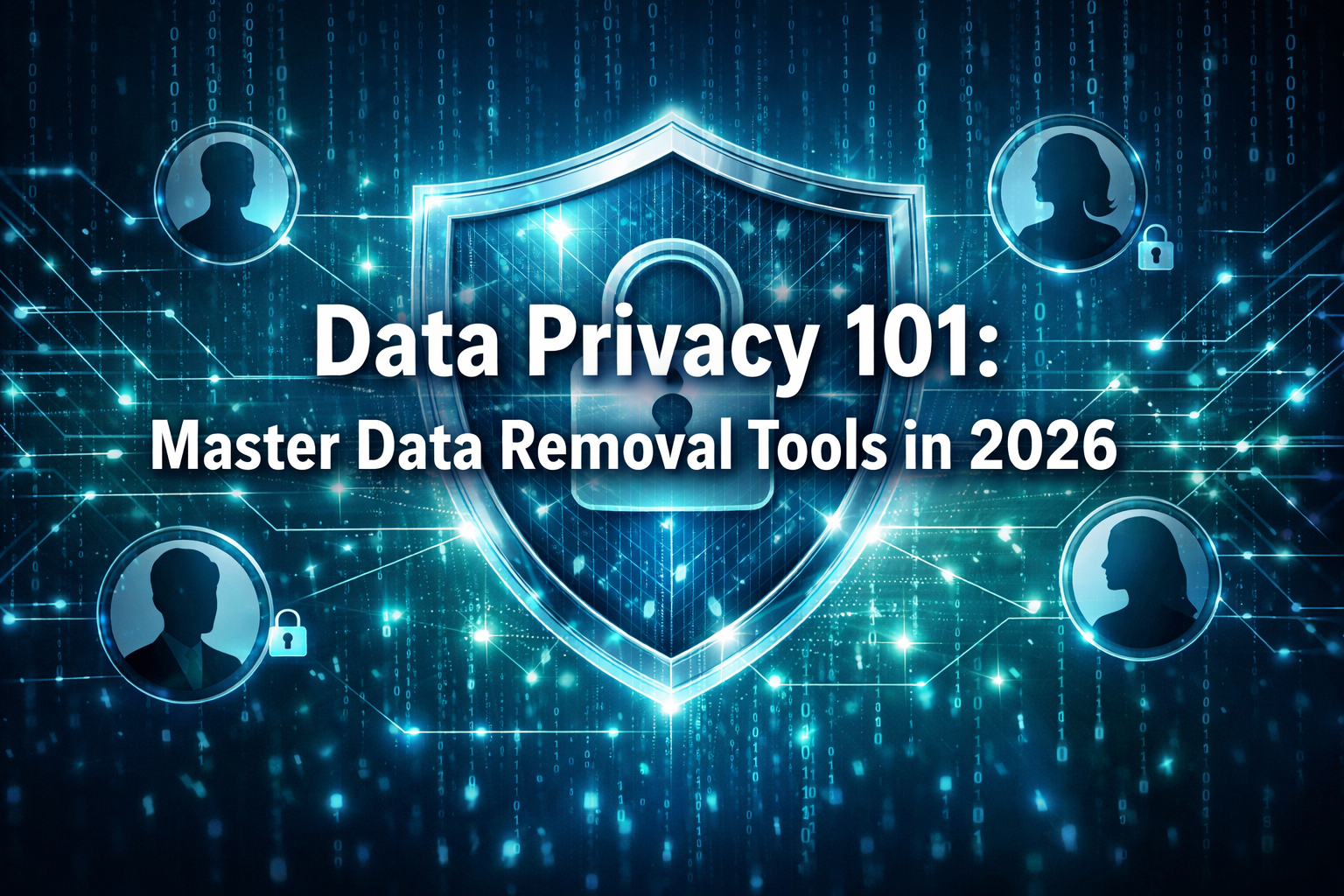
Do you know how much of your personal information is exposed online? Every time you browse the web, shop online, use social media, or sign up for a service, you leave behind a trail of data that third parties can collect, analyze, and sell. This data can reveal your identity, location, preferences, habits, and secrets. Your online privacy is vulnerable, and you must protect it from hackers and trackers. This article, Data Privacy 101: How to Use Data Removal Tools, will guide you through understanding data privacy, identifying threats, and leveraging powerful tools to erase your digital footprint. Use data removal tools to reclaim control over your personal information.
Key Takeaways
- Data Privacy is Essential: Protecting your personal information online is crucial for maintaining autonomy, preventing harm, building trust, and ensuring cybersecurity.
- Data Brokers are Everywhere: These companies secretly collect and sell your personal data without consent, creating detailed profiles used for various purposes.
- Data Removal Tools are Your Shield: These specialized services scan the internet for your data and either automatically remove it or guide you through the manual deletion process.
- Benefits are Significant: Deleting your online data reduces risks of identity theft, cyberattacks, targeted advertising, and allows you to control your digital presence.
- Long-term Strategy is Key: Beyond removal tools, practicing good digital hygiene, staying informed about privacy rights, and advocating for stronger regulations are vital for sustained privacy.
Why Does Protecting Data Matter?
Protecting data matters for individuals due to several crucial reasons, especially in 2026, where digital interactions are increasingly central to daily life. Understanding these reasons is the first step in mastering Data Privacy 101: How to Use Data Removal Tools.
Privacy and Personal Autonomy:
- Keeping your personal information secret is essential for maintaining personal autonomy.
- It allows individuals to control who has access to their information and how it is used.
- Privacy enables us to be ourselves without judgment and think freely without discrimination. Imagine a world where every thought or purchase is scrutinized; privacy safeguards our freedom of expression and individuality.
Preventing Harm and Exploitation:
- Sensitive data (such as personal, financial, or health information) can easily be exploited if not protected.
- Vulnerable individuals, including journalists, activists, and marginalized groups, are particularly at risk.
- Safeguarding data helps prevent identity theft, fraud, and other harmful consequences. A breach could lead to financial ruin or even physical danger.
Building Trust and Reputation:
- Protecting data fosters trust between individuals and organizations. When companies respect your privacy, you’re more likely to engage with them.
- A breach of privacy can damage an individual’s reputation and affect their relationships with others. Personal information, if exposed, can be twisted or used against you.
- Trust is crucial for maintaining healthy social connections and professional interactions. Without it, our digital society would crumble.
Cybersecurity and Digital Safety:
- Data breaches can lead to cybercrimes, financial losses, and emotional distress. The emotional toll of a privacy breach can be as devastating as the financial one.
- Ensuring data security helps prevent unauthorized access, phishing scams, and identity theft. Proactive measures are always better than reactive damage control.
- Individuals must take proactive steps to safeguard their personal information. This includes being aware of digital threats and utilizing available tools.
What is Data Privacy?
Data Privacy is the right to control who has access to your personal information and how they use it. In the digital age, privacy of personal data is more important than ever. It protects you from identity theft, fraud, and cyberattacks. It allows you to express yourself, explore new ideas, and pursue your goals without fear of being judged, discriminated, or manipulated. Think of it as your personal digital space, a boundary that only you control.
Data privacy isn’t just about keeping secrets; it’s about empowerment. It’s about having the power to decide what parts of your life remain private and what information you choose to share. Without robust data privacy, your online interactions become a commodity, your preferences are sold, and your identity can be compromised. This foundational understanding is key to truly grasping Data Privacy 101: How to Use Data Removal Tools. In 2026, with the rapid advancement of artificial intelligence and interconnected devices, the scope of personal data collection has expanded exponentially. Every smart home device, every app on your phone, and every website you visit is a potential source of data. Therefore, understanding and actively managing your data privacy is not just a recommendation; it’s a necessity for navigating the modern digital landscape securely and confidently.
Who Are Data Brokers?
Data brokers are companies that collect, analyze, and sell personal information about millions of people without their consent or knowledge. They operate largely unseen, gathering vast amounts of data from various sources, such as public records, social media profiles, online purchases, web browsing history, surveys, loyalty programs, and more. They are the unseen hands shaping much of the digital world around us.
Data brokers use this data to create detailed profiles about people’s identities, behaviors, preferences, interests, habits, and more. These profiles can include everything from your age, income, and political leanings to your health conditions, hobbies, and even your predicted future purchases. They then sell these profiles to third parties, such as advertisers, marketers, employers, insurers, lenders, government agencies, hackers, or anyone willing to pay for them. The process is often intricate and multi-layered. For instance, a data broker might combine public arrest records with your social media likes, then overlay that with your online shopping history. This amalgamation creates a surprisingly accurate and often alarming portrait of who you are. This portrait is then packaged and sold. Imagine applying for a loan or insurance, only for the company to access a profile detailing your “risk factors” based on data you didn’t even know was being collected. This is the reality enabled by data brokers. They are a significant reason why learning about Data Privacy 101: How to Use Data Removal Tools is so critically important today. Their existence underscores the urgency of taking control of your online data.
What Are Data Removal Services?
Data removal services are online tools that help you find and delete your personal information from the internet. They act as your digital detectives and cleanup crew, scanning various online data sources, such as data broker websites, people search platforms, social media networks, search engines, and online accounts, and help you remove or opt out of them. These services are the practical application of Data Privacy 101: How to Use Data Removal Tools.
Shockingly, 9 out of 10 people allow personal information exposure while using email services or accessing bank accounts. Data removal tools use advanced algorithms or even human agents to search for your data online. They typically start by taking your name, email address, phone number, or other identifiers to find where your data is located across the vast expanse of the internet. Once identified, these tools employ different methods: automated deletion, guided removal, continuous monitoring, and reporting. Choosing the right data removal service is a critical aspect of effectively implementing Data Privacy 101: How to Use Data Removal Tools. It involves looking for services that offer comprehensive scanning, a high success rate for removal, and ongoing monitoring capabilities to keep your data secure in the long run.
How Do They Work?
Shockingly, 9 out of 10 people allow personal information exposure while using email services or accessing bank accounts. Data removal tools use algorithms or human agents to search for your data online. They use your name, email address, phone number, or other identifiers to find where your data is located. Then, they either delete it automatically or guide you through the steps to remove it manually.
Some data removal services monitor your online data continuously and alert you when new information about you appears online. They also provide you with reports on your data removal progress and status.

The Benefits of Deleting Your Online Data:
Deleting your online data can benefit your online security.
- Deleting your online data makes it harder for criminals to impersonate or steal your money.
- It helps to reduce the information available for cyberattacks and unauthorized access.
- Deleting data limits tracking of your online behavior.
- Deleting your digital footprints can help to reduce targeted ads and spam.
- You can take control of your online presence by managing what others see and know about you.
- Lastly, this can give you more freedom to act and decide without interference.
Navigating the Complex World of Data Brokers
Data brokers operate in the shadows of the digital world, amassing vast amounts of personal information to create detailed consumer profiles. These profiles are then sold, often without the individual’s consent, to various third parties for targeted advertising, risk assessment, and other purposes. Understanding the mechanisms of data brokerage is crucial for anyone looking to safeguard their digital footprint.
The Mechanics Behind Data Brokerage
Data brokers collect information from a myriad of sources, including but not limited to public records, online transactions, social media activity, and even offline behaviors. This data is then processed, categorized, and sold to interested parties. The breadth of data collected can include everything from basic contact information to more sensitive data like purchasing habits and personal interests.
“Data brokers thrive in the digital shadows, silently constructing your digital persona from fragments of your online and offline life. Understanding their methods is the first line of defense in reclaiming your privacy.”
Mitigating the Impact of Data Brokers
While it’s nearly impossible to completely evade the reach of data brokers, certain strategies can minimize their impact on your privacy. Regularly using data removal tools to scan and remove your information from their databases is a proactive step. Additionally, limiting the amount of personal information you share online and understanding the privacy policies of the services you use can further protect your data.
The Technical Side of Data Removal Tools
Data removal tools are not just a black box; understanding their functionality can empower users to make more informed decisions about their privacy. These tools typically work by first identifying where your personal information is published online and then proceeding to remove or request its removal.
Related Posts:




How Data Removal Tools Operate
At their core, data removal tools leverage algorithms to scour the internet for your personal data. This involves searching databases, public records, and other online platforms where your information might be stored. Once identified, these tools follow the necessary protocols to remove your data, which may include direct deletion or submitting removal requests on your behalf.
Choosing the Right Data Removal Service
Not all data removal services are created equal. When selecting a tool, consider factors such as the breadth of search capabilities, the success rate of data removal, and the level of ongoing monitoring offered. Services that provide detailed reports and alerts for newly discovered data can offer peace of mind in an ever-evolving digital landscape.
Beyond Removal: Strategies for Long-term Data Privacy
While data removal tools play a critical role in managing your online presence, they are just one piece of the privacy puzzle. Adopting a holistic approach to digital privacy can provide more comprehensive protection.
Educating Yourself on Digital Hygiene
Understanding the basics of digital hygiene, such as secure password practices, cautious sharing of personal information, and regular privacy check-ups on social media platforms, can significantly reduce your vulnerability online.
Advocacy and Legal Protections
Staying informed about your legal rights concerning data privacy and supporting advocacy efforts for stronger data protection regulations can contribute to a more privacy-respecting digital environment for all.
The Future of Data Privacy
As technology continues to advance, so too will the tools and methods for protecting personal data. Keeping abreast of new developments in data privacy technologies and practices is essential for maintaining control over your digital identity.
Conclusion
Data privacy is the fundamental right to control who has access to your personal information and how they use it. In an increasingly interconnected world, where every click, purchase, and interaction leaves a digital trace, protecting this right has never been more critical. The relentless activities of data brokers, who silently collect and monetize your personal data without consent, underscore the urgent need for proactive measures.
This guide, Data Privacy 101: How to Use Data Removal Tools, has equipped you with a comprehensive understanding of why data privacy matters, how data brokers operate, and, most importantly, how to leverage specialized data removal services to reclaim your digital autonomy. By actively deleting your online data, you significantly reduce the risks of identity theft, cyberattacks, unwanted tracking, and intrusive advertising, while gaining a profound sense of control over your digital presence.
Beyond just removal, true data privacy in 2026 demands a holistic approach. This includes cultivating strong digital hygiene practices, staying informed about legal protections, and advocating for stronger privacy regulations. The digital landscape is dynamic, and continuous learning about new threats and advanced solutions is essential for maintaining a secure and private online life.
Actionable Next Steps: How to Use Data Removal Tools
1
Assess Your Digital Footprint
Begin by searching for your name on popular people-search websites and through standard search engines to see what information is publicly available.
2
Choose a Data Removal Tool
Research and select a reputable data removal service that aligns with your needs for comprehensiveness, monitoring, and transparency.
3
Implement Removal
Follow the instructions provided by your chosen tool to initiate the removal or opt-out processes from data brokers and other platforms.
4
Practice Digital Hygiene
Regularly update your passwords, review privacy settings on social media, be cautious about what you share online, and enable two-factor authentication.
5
Stay Informed
Make it a habit to keep up-to-date with data privacy news, new regulations, and emerging security threats to continuously refine your protection strategies.