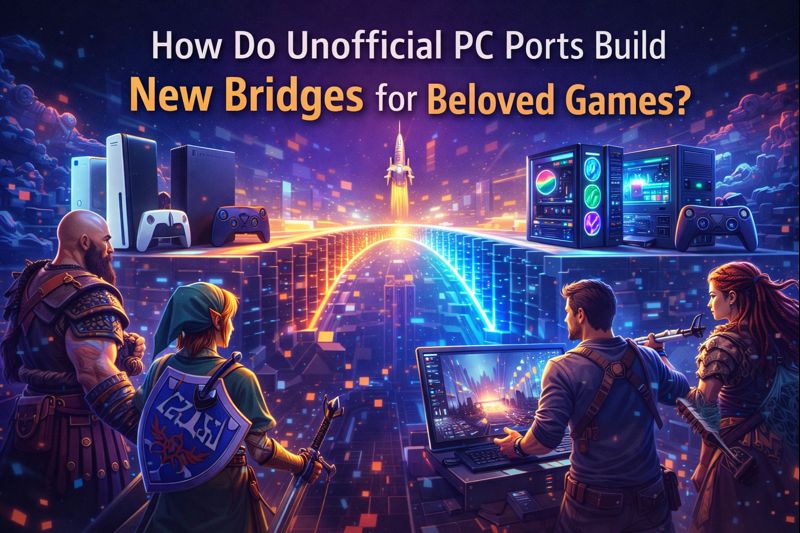
The digital walls between console exclusives and the vast PC gaming landscape have long been a source of longing for many players. Imagine the frustration when a groundbreaking title, like the highly anticipated Spider-Man 2, remains tethered to a single platform. Yet, from this frustration often springs a vibrant, technically adept community, ready to construct its own solutions. This isn’t about piracy; it’s about the intricate, often unofficial, process of creating a “port”—a modified version of a game capable of running on a different system. These projects represent a fascinating intersection of pure passion, incredible technical ingenuity, and the ongoing dialogue surrounding game preservation and accessibility. When these PC ports build new avenues, they reshape how we experience and value games.
Key Takeaways
�� Unofficial PC ports are fan-driven projects designed to bring console-exclusive games to the PC, fueled by passion and a desire for broader accessibility and enhanced performance.
�� These ports operate in a complex legal and technical gray area, requiring reverse-engineering and strict adherence to using only legally obtained game files from the user.
�� A crucial aspect is game preservation, as these projects ensure beloved titles remain playable on modern hardware long after their original platforms become obsolete.
�� Navigating the world of unofficial ports demands caution, with a strong emphasis on using verified sources and meticulously following safe download and installation guides to avoid malware and ensure functionality.
�� Unofficial PC ports build a testament to community skill and can even influence official releases, highlighting significant player demand for expanded platform availability.
The Drive Behind the Digital Fan Project: Why Unofficial PC Ports Build a Community
The motivation behind the creation of an unofficial PC port is almost never about financial gain. Instead, it stems from a profound adoration for the game itself and a deep-seated belief in the principle of accessibility. Developers engaged in these projects are typically dedicated fans who envision experiencing their favorite titles with the superior graphical fidelity, smoother frame rates, and extensive customization options that modern PC hardware inherently offers. They see a digital masterpiece and are compelled to push its technical boundaries, or simply to enable a much wider audience to discover and enjoy it. This work is a genuine labor of love, demanding meticulous reverse-engineering of the original console code, the intricate rewriting of entire system libraries, and the overcoming of monumental technical hurdles—challenges that the original studio’s engineers tackled with bespoke tools and direct access to source code.
Reverse-Engineering: The process of analyzing a system to understand its components and interconnections, often with the goal of recreating or improving it. In unofficial porting, this involves meticulously examining the original game’s compiled code and assets to understand how it functions, without access to the original source code.
These passion projects highlight a growing trend in 2025: players aren’t just consumers; they’re active participants in shaping their gaming experiences. When communities come together and PC ports build upon existing masterpieces, they extend the life and reach of those games in ways developers might not anticipate.
“Unofficial PC ports are a love letter from the fans to the developers, showing an enduring passion and a collective desire to see beloved games thrive beyond their original boundaries.”
Navigating a Labyrinth of Legal and Technical Hurdles
Embarking on such an ambitious project is not only a monumental technical undertaking but also one that operates squarely within a legal gray area. Developers must painstakingly recreate the “middleware“—the crucial code that enables the game to communicate effectively with a PC’s operating system, graphics card, and input devices—all without utilizing any copyrighted material directly from the original game. This intricate process is akin to rebuilding a car’s engine purely by studying its exterior and observing its functionality, without ever looking under the hood or using original blueprints.
Middleware: Software that acts as a bridge between an operating system or database and applications, especially on a network. In game development, it refers to the foundational code that allows the game engine to communicate with the console’s hardware, operating system, and external devices. Recreating this is a major challenge for unofficial port developers.
Legally, the continued existence and viability of these fan projects depend heavily on a critical distinction: they require users to supply their own legally obtained game files (often referred to as the “ROM” or game data) from a console they personally own. The port itself is merely a new set of instructions, a translator if you will, dictating how to run those legitimately acquired files on a different platform. This distinction, while legally crucial, is undeniably precarious and requires careful handling by both developers and users.
The Fine Line: Copyright and Community Ethics
The ethical framework surrounding unofficial ports is as important as the technical challenges. The community largely self-regulates, condemning any form of piracy or illegal distribution of game assets. The goal is augmentation, not infringement. This is why projects that explicitly state the need for “user-supplied ROMs” are seen as more legitimate and less likely to face legal action from original publishers. These developers aren’t stealing; they’re providing a service that enhances a user’s existing, legally purchased product.
The Crucial Role of the Safe Download Guide in Unofficial PC Ports Build Endeavor
For the average curious player, navigating this intricate and potentially perilous landscape is fraught with risk. The internet, unfortunately, is teeming with malicious websites that masquerade as legitimate sources, offering “full game downloads” that are, in reality, insidious vectors for malware, spyware, or even ransomware. It’s in this treacherous environment that the immense value of a clear, trustworthy, and safety-focused resource becomes absolutely paramount.
A proper guide for unofficial ports does not—and should never—provide the game itself. Instead, it offers a meticulously verified, step-by-step roadmap. It plays a critical role in identifying the specific, community-vetted sources for the port application itself. Crucially, it educates users on how to legitimately dump the necessary game files from a personally owned copy of the game. Furthermore, it provides essential installation instructions, vital troubleshooting tips, and advice on optimizing performance.
Unofficial PC Port: A version of a console-exclusive video game, developed by fans or independent programmers, designed to run on a personal computer without official support from the original game developer or publisher. It usually requires the user to provide legally obtained game files from the original console version.
ROM Dumping: The process of extracting game data (ROM files) from a physical game cartridge or disc, or from a digital console download, onto a storage device. This is done by the user from their own legally purchased copy of a game to ensure lawful acquisition of game files for use with emulators or unofficial ports.
For those looking to undertake this process for a specific title, such as the widely desired Spider-Man 2, following a meticulously compiled safe download and installation guide for the Spider-Man 2 PC Port is the single most critical step. This ensures a secure and functional result, protecting both the user’s system from digital threats and the very future of the fan project itself by upholding ethical practices. Without these guides, the risks would simply outweigh the rewards for most players.
More Than a Port: Preservation and Passion in 2025
Ultimately, successful unofficial PC ports transcend their initial purpose of merely allowing a game to run on a different machine. They evolve into profound acts of digital preservation, guaranteeing that a cherished title remains playable on future hardware platforms long after its original console has become obsolete and its official support has dwindled. In 2025, with consoles constantly evolving, this aspect of fan-driven work is more important than ever.
Game Preservation: The effort to archive and maintain video games and related hardware/software so that they remain playable and accessible for future generations, especially as original consoles and media become obsolete. Unofficial PC ports can contribute significantly to this effort by extending a game’s lifespan on modern, widely available hardware.
These projects stand as powerful testaments to the extraordinary skill, boundless dedication, and sheer ingenuity of the fan developer community. Beyond preservation, these grassroots efforts also send a clear and potent market signal to original developers and publishers, demonstrating undeniable consumer demand. Often, these unofficial ports either predate or actively encourage the development and release of official PC ports. They highlight a significant gap between what a passionate player base desires and what the traditional game release model consistently provides, fueled purely by a shared love for the game and a collective aspiration to see it thrive in new, expanded environments.
The Unseen Influence: How Unofficial PC Ports Build Demand
It’s not uncommon for a highly visible and successful unofficial port to draw attention from a game’s original publisher. The sheer volume of engagement, forum discussions, and YouTube videos demonstrating a fan port can effectively serve as free market research, indicating a clear financial incentive for an official PC release. In this way, these passionate endeavors don’t just bridge platforms; they bridge gaps in market strategy, pushing the industry toward greater accessibility for players worldwide. The continued success of unofficial PC ports build a strong case for official cross-platform releases.
The Delicate Balance of Fan-Driven Innovation
The entire ecosystem of unofficial PC ports exists in a constant and precarious state of delicate balance. It is sustained by the brilliant minds of talented coders, informed by rigorous safety practices, and perpetually motivated by an unwavering communal passion. While these dedicated individuals navigate incredibly complex legal frameworks and confront nightmarish technical challenges, their projects collectively underscore a central truth about modern gaming culture: when players develop a deep, abiding love for a digital world, they will sometimes go to extraordinary lengths. They won’t just visit that world; they will strive to rebuild its very gates, ensuring that others, too, may enter—and do so on their own terms.
This corner of the gaming world, though often controversial and inherently risky, is undeniably profoundly impressive. It represents the pinnacle of fan dedication and technical prowess, continually pushing the boundaries of what is possible within the established confines of the gaming industry. As we look towards the future in 2025, the impact of these community-driven efforts will only grow, shaping discussions around game ownership, accessibility, and the enduring power of player passion.
Conclusion: Unofficial PC Ports Build a Legacy of Accessibility
The phenomenon of unofficial PC ports is far more than just a technical curiosity; it’s a powerful statement about community, passion, and the evolving landscape of video game accessibility and preservation. These fan-driven projects, like the hopeful Spider-Man 2 PC port efforts, exemplify a profound dedication to extending the life and reach of beloved titles. By meticulously reverse-engineering complex game code and creating new pathways for gameplay, these unofficial efforts ensure that classic and even contemporary console exclusives can be experienced by a broader audience on new hardware, long after their original platforms fade into history.
While operating in a legally ambiguous zone and demanding significant technical expertise, the ethical framework enforced by the community—insisting on user-supplied game files—underpins their legitimacy. For players, the journey into this world requires careful navigation, emphasizing the critical importance of trusted, safety-focused guides to avoid malicious software and ensure a genuine, functional experience. In 2025, as digital media continues to evolve rapidly, the role of these dedicated communities in archiving and modernizing games is invaluable.
The impact of unofficial PC ports stretches beyond individual games. They act as a constant market signal, highlighting undeniable player demand and often paving the way for eventual official PC releases. They demonstrate that when developers and publishers don’t provide a desired platform, the community will often step up, proving that passion can indeed bridge the widest of digital divides. As long as there are beloved games locked to specific platforms, there will be ingenious fans ready to build new bridges, ensuring these cherished experiences endure for generations to come.
Actionable Next Steps for Enthusiasts:
Educate Yourself: Before attempting to use any unofficial port, thoroughly research the legal implications and technical requirements. Understand the difference between a port application and copyrighted game files.
Prioritize Safety: Always seek out community-vetted, reputable sources for port applications. Never download game files from unknown or suspicious websites. Utilize up-to-date antivirus software.
Find a Reliable Guide: Look for detailed, step-by-step installation guides specific to the port you are interested in. These guides are crucial for a secure and successful setup.
Engage with Communities: Join forums or Discord servers dedicated to specific port projects. These communities can offer valuable support, troubleshooting tips, and updates.
Support Preservation: Understand that by carefully and ethically engaging with unofficial ports, you are contributing to the broader effort of video game preservation and demonstrating the enduring value of these titles.
Marcin Wieclaw, the founder and administrator of PC Site since 2019, is a dedicated technology writer and enthusiast. With a passion for the latest developments in the tech world, Marcin has crafted PC Site into a trusted resource for technology insights. His expertise and commitment to demystifying complex technology topics have made the website a favored destination for both tech aficionados and professionals seeking to stay informed.